What are you looking for?
Search

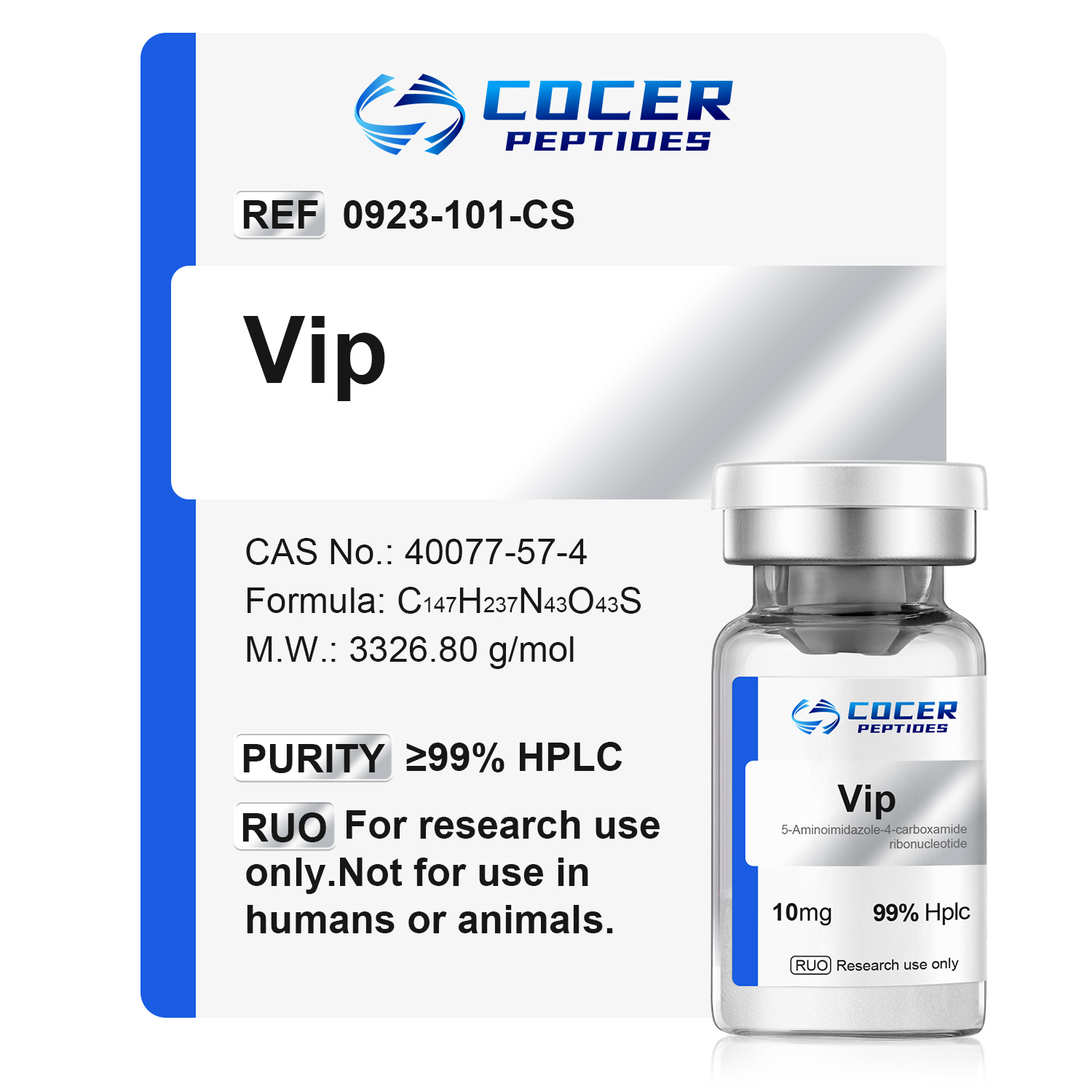
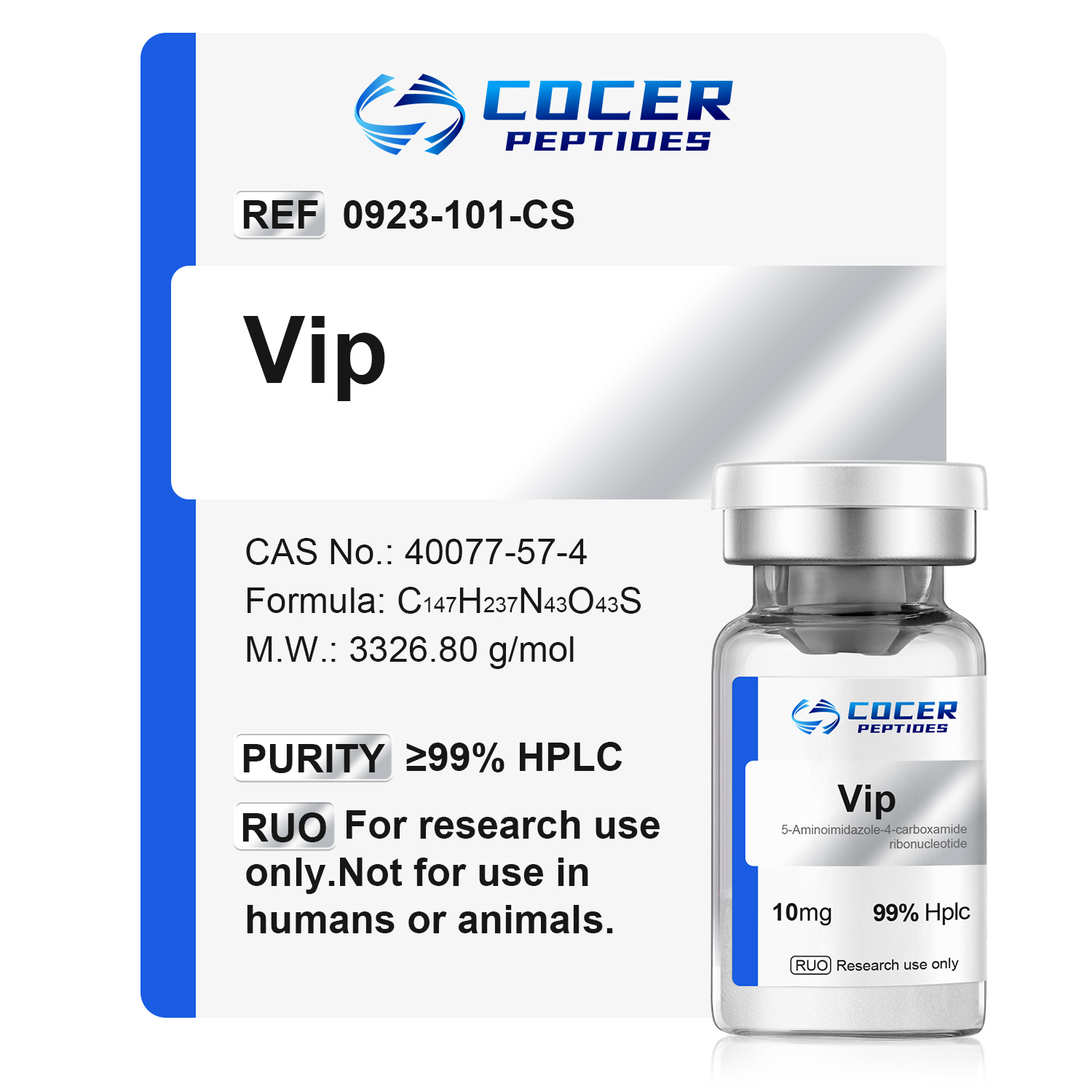
VIP 10mg*10vials

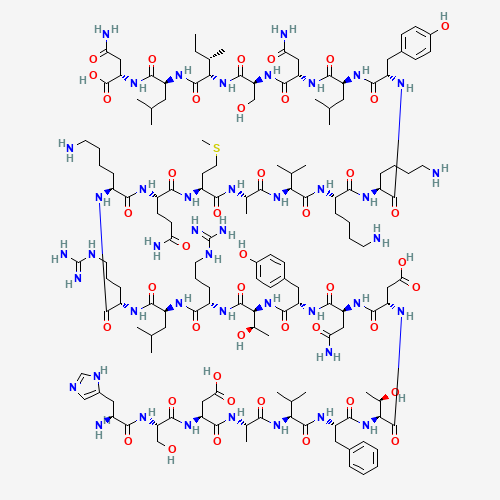
▎VIP Structure
Source: PubChem |
Sequence: HSDAVFTDNYTRLRKQMAVKKYLNSILN Molecular Formula: C147H237N43O43S Molecular Weight: 3326.8 g/mol CAS Number: 40077-57-4 PubChem CID:16132300 Synonyms: Vip human vip;Aviptadil |
▎VIP Research
What is the research background of VIP?
Research on VIP (vasoactive intestinal peptide) began with its discovery in living organisms. Initially isolated as a 28-amino acid peptide from pig duodenum, subsequent studies revealed its widespread distribution beyond the gastrointestinal tract—extending to the central and peripheral nervous systems and endocrine cells—where it functions as both a neurotransmitter and a hormone. As research deepened, it became clear that VIP plays vital roles in numerous physiological processes, including vasodilation, anti-inflammation, cell proliferation, hormone secretion, gastrointestinal motility regulation, and smooth muscle relaxation.
What are the mechanisms of action for VIP?
Mechanisms of Action on the Digestive System
Regulation of Gastrointestinal Motility: VIP relaxes gastrointestinal smooth muscle by binding to VPAC receptors on smooth muscle cells. This activates intracellular signaling pathways, leading to the activation of adenylate cyclase. This process promotes the conversion of ATP to cAMP, elevating intracellular cAMP levels. Ultimately, this causes smooth muscle relaxation, regulating the frequency and amplitude of gastrointestinal peristalsis and thereby controlling the propulsion of food through the gastrointestinal tract.
Promoting Digestive Fluid Secretion: In the pancreas, VIP stimulates pancreatic acinar cells to secrete water and bicarbonate, creating an alkaline environment conducive to pancreatic enzyme activity. This mechanism involves binding to VPAC receptors on acinar cells, activating intracellular second messenger systems, and regulating ion channel and transporter activity to promote water and bicarbonate secretion. In the stomach and small intestine, VIP also promotes mucus and electrolyte secretion, protecting the gastrointestinal mucosa and maintaining normal digestive function[1].
Mechanisms of Action on the Cardiovascular System
Vasodilation: VIP acts on vascular endothelial cells and smooth muscle cells. By binding to receptors, it promotes the release of vasodilatory factors such as nitric oxide (NO) from endothelial cells or directly inhibits contraction in smooth muscle cells. This induces vasodilation, reduces peripheral vascular resistance, and regulates blood pressure. Under certain physiological or pathological conditions, increased VIP release occurs when the body requires enhanced local tissue blood supply, causing vasodilation in the corresponding area and increasing blood flow[2].
Mechanisms of Action on the Immune System
Immune Modulation: VIP exhibits bidirectional regulation of immune responses. During early inflammation, VIP suppresses the production and release of pro-inflammatory cytokines (e.g., tumor necrosis factor-α, interleukin-1β), mitigating excessive inflammatory reactions and protecting tissues from inflammatory damage. For example, in a herpes simplex virus keratitis model, exogenous VIP reduces neutrophil and CD4⁺ T cell infiltration, downregulates proinflammatory factors like myeloperoxidase (MPO) and interleukin-17 (IL-17), thereby alleviating corneal inflammation. During the late phase of the immune response, VIP promotes the secretion of anti-inflammatory cytokines (such as interleukin-10 and transforming growth factor-β), facilitating the resolution of inflammation and tissue repair.
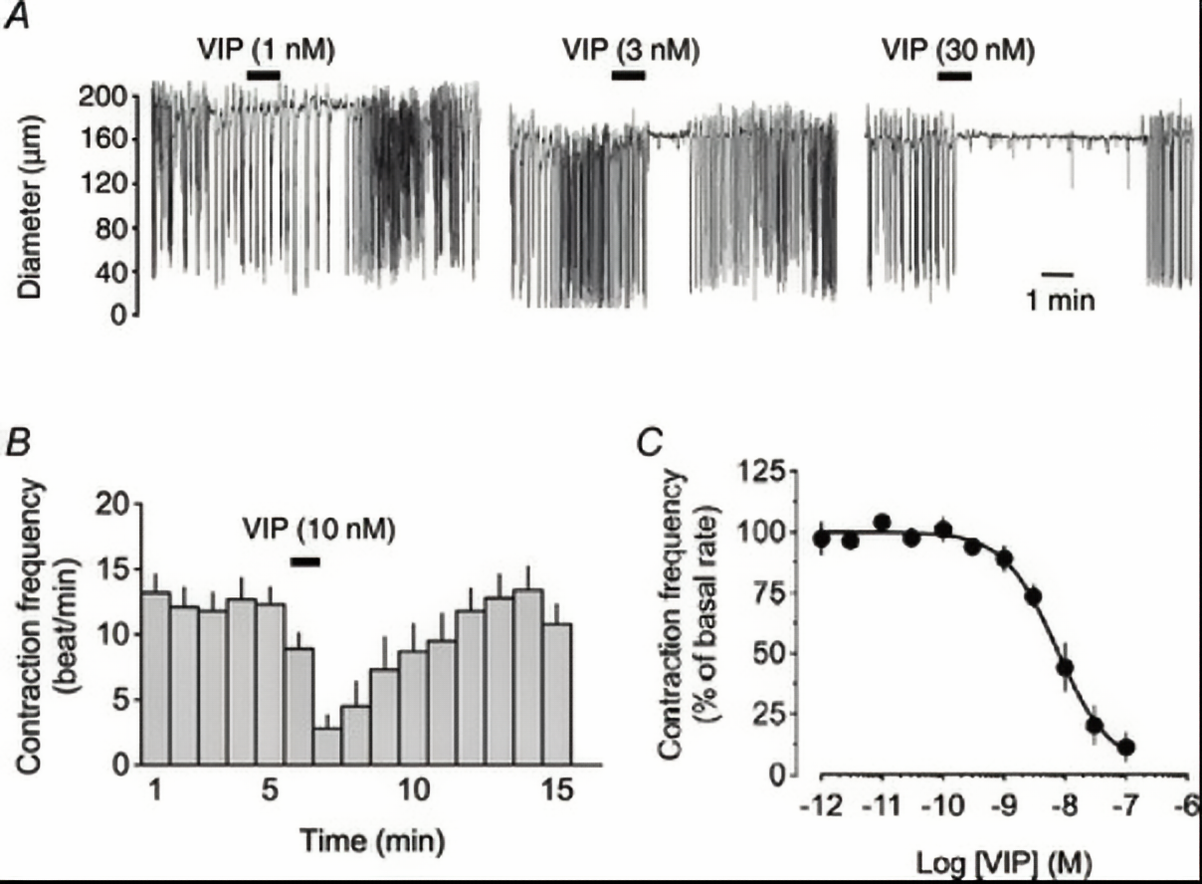
Figure 1 Effect of VIP on pumping of lymphatic vessels from the guinea pig mesentery[2].
What are the applications of VIP?
Anti-inflammatory effects: VIP exhibits distinct anti-inflammatory properties. It creates an anti-inflammatory microenvironment by modulating the functional profiles of monocytes, macrophages, and regulatory T cells. During pregnancy, VIP synthesized by trophoblast cells inhibits neutrophil extracellular trap formation, accelerates neutrophil apoptosis, and facilitates efficient phagocytic clearance, thereby maintaining immune homeostasis. VIP plays a role in treating inflammation-related diseases such as inflammatory bowel disease and rheumatoid arthritis by modulating the body's inflammatory response and alleviating symptoms[3].
Regulation of Gastrointestinal Function: VIP plays a crucial role in regulating gastrointestinal physiology, involving vasodilation, hormone secretion, gastrointestinal motility regulation, and smooth muscle relaxation. Therefore, for disorders involving gastrointestinal motility dysfunction (e.g., functional dyspepsia, constipation, diarrhea), VIP may improve symptoms by regulating gastrointestinal motility and secretory functions. Additionally, in certain inflammatory gastrointestinal diseases, VIP's anti-inflammatory and immune-modulating effects also contribute to disease recovery [4].
Neurological Disorders: VIP is distributed throughout both the central and peripheral nervous systems, functioning as a key neurotransmitter or neuromodulator in regulating diverse physiological processes. In neurological diseases such as neurodegenerative disorders (e.g., Alzheimer's disease, Parkinson's disease), research indicates that abnormalities in VIP and its receptors correlate with disease progression. Modulating VIP levels or receptor function may offer novel therapeutic avenues for these conditions. Furthermore, during nerve repair processes like spinal cord injury, VIP may exert neuroprotective and reparative effects by promoting neuronal survival, proliferation, and differentiation[4,5].
Cardiovascular Diseases: Given its vasodilatory properties, VIP influences cardiovascular system function. In the treatment research of certain cardiovascular diseases like hypertension and coronary heart disease, VIP may exert positive therapeutic effects by dilating blood vessels, reducing peripheral vascular resistance, and improving myocardial blood supply. However, its clinical application in cardiovascular disease treatment currently faces numerous challenges, such as issues related to VIP stability and targeting[4].
Conclusion
In disease treatment, VIP's anti-inflammatory properties can modulate the immune microenvironment, offering intervention strategies for inflammatory conditions like inflammatory bowel disease and rheumatoid arthritis. Its regulation of gastrointestinal motility and secretion can improve gastrointestinal dysmotility disorders. In neurodegenerative diseases, its neuroprotective and restorative effects may aid treatment exploration for Parkinson's disease and Alzheimer's disease. Furthermore, its vasodilatory function contributes to cardiovascular disease research.
About The Author
The above-mentioned materials are all researched, edited and compiled by Cocer Peptides.
Scientific Journal Author
Pierre-Yves von der Weid is a researcher at the University of Calgary's Cumming School of Medicine in Canada, specializing in lymphatic system physiology. His research primarily explores the regulatory mechanisms of lymphatic vessel function, including pacemaker potential generation, the regulatory role of endothelial factors, and the impact of inflammatory mediators on lymphatic pump function. Employing pharmacological, electrophysiological, and biochemical approaches, he conducts in-depth investigations into these processes to enhance understanding of lymphatic system physiology and its alterations across various disease states. Pierre-Yves von der Weid is listed in the reference of citation [2].

You have successfully commented, please wait for review
Copied Successfully
You can enjoy up to 1 free gift!