What are you looking for?
Search

Why Am I Not Losing Weight on Semaglutid?
Introduction
Semaglutid, originally used to manage Type 2 diabetes, has emerged as a popular solution for weight loss. Its ability to regulate appetite and reduce hunger has made it a go-to option for many. However, some people still ask, "Why am I not losing weight on Semaglutid?"
In this article, we will discuss the reasons behind this frustration. You’ll learn about factors like dosage, diet, and lifestyle choices that could impact your results. We’ll also share practical tips to help you maximize your weight loss potential with Semaglutid.
Understanding How Semaglutid Works for Weight Loss
The Mechanism Behind Semaglutid
Semaglutid mimics the action of GLP-1 (glucagon-like peptide-1), a hormone that naturally regulates appetite. By affecting the brain's hunger signals and slowing down gastric emptying, Semaglutid helps people feel full longer and reduces their overall calorie intake. This creates a natural reduction in hunger, aiding in weight loss. However, Why Semaglutid is not helping me lose weight could be due to several reasons, including dosage or individual body responses.
Why It Works for Many, But Not All
While Semaglutid helps many individuals achieve weight loss, it’s not universally effective. The success of Semaglutid varies due to factors such as metabolism, lifestyle choices, and genetic differences. For some, the medication works quickly to reduce appetite and promote weight loss, while others might not experience the same results despite following the same treatment regimen.
The Role of Semaglutid in Calorie Deficit
The Importance of a Caloric Deficit for Weight Loss
Semaglutid helps curb hunger and appetite, making it easier to eat fewer calories. However, the key to weight loss lies in achieving a caloric deficit—burning more calories than you consume. While Semaglutid can reduce hunger, it doesn’t negate the need for a balanced diet and physical activity. Without creating a calorie deficit, weight loss will be slow or may stall completely, even with the medication.
A caloric deficit is essential because your body needs to burn more energy than it gets from food to start breaking down fat stores. The combination of Semaglutid's appetite-suppressing effects and a controlled calorie intake is what will ultimately help you shed pounds.
How to Achieve a Caloric Deficit While on Semaglutid
To maximize weight loss while on Semaglutid, it's crucial to create a caloric deficit. One way to do this is by tracking your food intake and ensuring you’re eating fewer calories than your body requires. Here are the steps to effectively manage a caloric deficit:
Calculate Your Total Daily Energy Expenditure
Your TDEE is the total number of calories your body needs to maintain its current weight. This number is determined by factors such as your age, gender, weight, height, and activity level. Once you know your TDEE, aim to consume 200-300 calories fewer than this amount each day.
Focus on Nutrient-Dense Foods
Instead of cutting calories by eating less food, focus on eating nutrient-dense foods that are lower in calories but high in nutrients. Incorporate the following into your diet:Lean proteins: Chicken, turkey, tofu, fish
Non-starchy vegetables: Broccoli, spinach, zucchini, kale
Healthy fats: Avocados, nuts, seeds, olive oil
Limit Processed Foods and Sugary Drinks
Processed foods and sugary drinks often contain high amounts of empty calories that provide little nutritional value. These foods can undermine your weight loss efforts. Instead, opt for whole foods that will fill you up without exceeding your daily calorie goals.
Increase Physical Activity
Regular exercise is essential for maintaining a calorie deficit. Incorporate a mix of aerobic exercises (such as brisk walking, cycling, or swimming) and strength training (like weightlifting or resistance band exercises) to burn more calories and build muscle mass.
By carefully managing your caloric intake and maintaining physical activity, you can harness the benefits of Semaglutid and see more significant weight loss results.
Tips:
● Track Your Calories: Use an app or food diary to track your daily calorie intake, helping you stay within your target for a caloric deficit.
● Stay Consistent: Achieving and maintaining a caloric deficit requires consistent effort in both diet and exercise.
Common Reasons You're Not Losing Weight on Semaglutid
Incorrect Dosage of Semaglutid
Why Dosage Matters for Weight Loss
Semaglutid works most effectively when the correct dosage is used. If the dose is too low, it may not trigger the desired weight loss effects, leaving you frustrated. On the other hand, a higher-than-required dose can cause unpleasant side effects such as nausea, stomach upset, or dehydration. Ensuring you're on the right dosage is key to seeing optimal results.
How to Adjust Your Dosage
Consult with your healthcare provider to determine if your current dosage is suitable for your weight loss goals. They will assess your progress and may refer to the Semaglutid dosage chart to find the best fit based on your response to the medication. Regular check-ins with your provider ensure that adjustments are made as needed for continued success.
Poor Diet and Lifestyle Choices
The Impact of Diet on Semaglutid's Effectiveness
While Semaglutid is effective at controlling appetite, diet plays a pivotal role in the overall weight loss process. If you're consuming high-calorie, low-nutrient foods such as processed snacks, sugary drinks, or fast food, your weight loss will be slow or may even plateau. Semaglutid can only work efficiently when paired with a nutritious, balanced diet.
How to Improve Your Diet While on Semaglutid
Focus on nutrient-dense foods that complement Semaglutid's effects. Prioritize:
● Lean proteins: Chicken, fish, tofu
● Non-starchy vegetables: Spinach, broccoli, zucchini
● Healthy fats: Avocados, nuts, olive oil
● Whole grains: Quinoa, brown rice, oats
Avoid processed foods, sugary snacks, and sodas, as they counteract the benefits of Semaglutid. A balanced diet combined with Semaglutid will help you stay on track to meet your weight loss goals.
Inadequate Physical Activity
The Role of Exercise in Weight Loss on Semaglutid
Semaglutid works best when combined with regular physical activity. While the medication helps suppress hunger, it doesn't replace the need for exercise. Exercise plays a crucial role in creating a calorie deficit, improving metabolism, and enhancing fat loss. Plus, physical activity helps maintain muscle mass, which is vital for long-term weight management.
Recommended Exercise Regimen for Maximum Weight Loss
By incorporating both aerobic and strength training exercises into your routine, you’ll burn calories efficiently while promoting muscle growth.
Metabolic and Health Factors That Affect Weight Loss
Metabolism and Weight Loss Variability
Why Your Metabolism May Be Slower Than Others
Metabolism is the process by which your body burns calories to produce energy. A slower metabolism means that your body burns fewer calories at rest, which can make weight loss more challenging. Why Semaglutid is not helping me lose weight could be due to metabolic factors. Semaglutid helps control hunger and food intake, but if your metabolism is slower, the weight loss process might take longer, or results might be less dramatic.
Some people have a naturally slower metabolism due to genetics or lifestyle factors such as insufficient sleep, stress, or poor diet. Understanding your metabolism is key to addressing weight loss obstacles.
How to Overcome Metabolic Challenges
Overcoming metabolic challenges often requires a holistic approach. Here are some strategies to help improve metabolic function:
Working with a healthcare provider can also help optimize metabolic health through personalized lifestyle changes or treatments tailored to your needs.
Underlying Health Conditions That Can Slow Weight Loss
How Conditions Like Hypothyroidism and PCOS Affect Weight Loss
Certain health conditions can significantly slow down weight loss, even with the help of Semaglutid. Hypothyroidism, for instance, causes the thyroid to produce insufficient thyroid hormones, which slows down metabolism and can lead to weight gain or difficulty losing weight. Similarly, Polycystic Ovary Syndrome (PCOS) can cause hormonal imbalances, leading to weight gain, particularly around the abdomen.
These conditions can make it more difficult for the body to process food efficiently and burn fat, even when using medications like Semaglutid.
How to Address These Health Conditions
If you suspect that an underlying health condition is affecting your weight loss, it’s essential to discuss it with your healthcare provider. They may recommend additional tests, such as thyroid function tests or hormone level checks, to understand your condition better. Adjustments to your Semaglutid regimen, medications, or treatment plans may be needed to address the specific challenges posed by your health conditions.
Your provider may also suggest additional treatments, such as thyroid hormone replacement therapy for hypothyroidism or medication to manage PCOS, alongside your current weight loss efforts with Semaglutid.
Tips:Monitor Your Health: Regular check-ups with your healthcare provider will help track any underlying health issues that might hinder weight loss and allow for timely adjustments in your treatment plan.
Practical Solutions to Enhance Semaglutid Weight Loss
Reviewing Injection Techniques
Why Injection Technique Matters
Incorrect injection techniques can affect the absorption of Semaglutid, rendering the medication less effective. Proper technique ensures that the drug is delivered correctly into the bloodstream, where it can work most effectively.
Best Practices for Semaglutid Injections
Make sure you follow the instructions carefully when injecting Semaglutid. Seek professional guidance if you're unsure about the proper technique to ensure maximum efficacy.
Making Adjustments to Your Diet and Exercise Plan
Small Tweaks That Can Yield Big Results
Even small changes to your diet and exercise routine can lead to significant improvements in weight loss. Consider adjusting portion sizes, reducing snacking, or incorporating more intensity into your workouts to break through plateaus.
Staying Consistent with Your Medication
The Importance of Regular Dosing
To get the full benefits of Semaglutid, it’s crucial to take the medication on schedule. Missing doses or irregular use can diminish its effectiveness.
How to Stay on Track with Semaglutid
Set reminders for your Semaglutid injections to ensure consistency. Consider using a medication tracker to stay on top of your regimen and monitor your progress.
When to Seek Professional Help
When to Consult Your Healthcare Provider
If You're Not Seeing Results After a Few Months
If you’ve been using Semaglutid for a few months and haven’t seen the expected weight loss, it may be time to consult your healthcare provider for guidance. They can help adjust your treatment plan or dosage for better results.
Other Treatment Options if Semaglutid Isn't Working
If Semaglutid isn’t producing the desired results, your doctor might recommend exploring alternative medications, such as tirzepatide or liraglutide, or other treatment options like weight loss surgery.
Conclusion
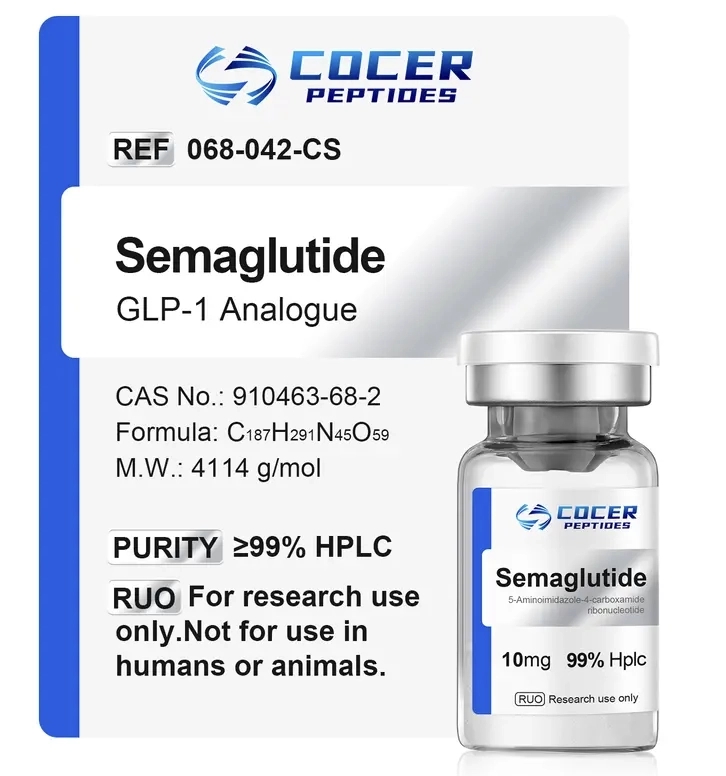
In summary, several factors may prevent weight loss on Semaglutid. These include improper dosage, diet, exercise, metabolism, and underlying health conditions. By identifying and addressing these issues, you can maximize your weight loss results. Always consult with your healthcare provider to ensure proper use of Semaglutid. Stay patient and consistent—weight loss is a journey. Semaglutid can be a powerful tool when paired with the right lifestyle choices.For optimal weight management, consider the benefits of products like Cocer Peptides™, which provide targeted solutions to complement Semaglutid’s effects.
FAQ
Q: Why am I not losing weight on Semaglutid?
A: There are several factors that could contribute to this, such as improper dosage, poor diet, lack of physical activity, or underlying health conditions. It's important to consult with your healthcare provider to address these factors and optimize your weight loss plan.
Q: How can I adjust my Semaglutid dosage for better weight loss results?
A: If you're not seeing desired weight loss, consult your healthcare provider. They can adjust your Semaglutid dosage based on your progress and specific needs, ensuring you are on the right plan.
Q: Why Semaglutid is not helping me lose weight, even with diet and exercise?
A: Sometimes, metabolic differences or health conditions like hypothyroidism can impact how Semaglutid works. It's crucial to review your entire approach with your doctor to make necessary adjustments.
Q: Does Semaglutid work better for some people than others?
A: Yes, Semaglutid’s effectiveness can vary based on individual metabolism, lifestyle habits, and health conditions, which is why some people see faster results than others.