What are you looking for?
Search

What Does Chonluten Do?
Chonluten has gained increasing attention as a powerful respiratory bioregulator peptide—but what exactly does it do, how does it work, and who can benefit from it?
This in-depth guide explains everything you need to know about Chonluten, including its mechanisms, benefits, scientific background, dosage protocols, and modern applications in wellness and research.
Whether you’re exploring Chonluten for respiratory support, inflammation reduction, digestive health, or anti-aging purposes, this article provides the full picture.
What Is Chonluten?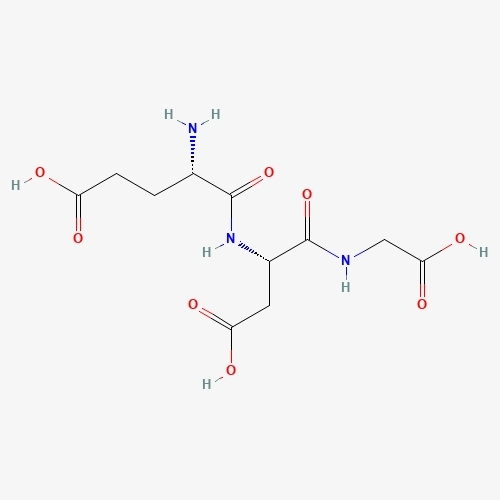
Chonluten is a short synthetic tripeptide composed of:
-
Glutamic acid (Glu)
-
Aspartic acid (Asp)
-
Glycine (Gly)
Often referred to as an EDG tripeptide, it was originally isolated from bronchial (lung) tissue, and it primarily targets:
-
The respiratory system
-
The bronchial and lung mucosa
-
The gastric mucosa
Chonluten falls into the category of peptide bioregulators—short amino-acid sequences believed to support cellular function, tissue regeneration, gene regulation, and inflammatory balance.
It is non-hormonal, fast-acting, and supports natural biological processes rather than forcing artificial changes.
What Does Chonluten Do for the Body?
Chonluten’s benefits extend across respiratory, digestive, and cellular health. Here is what the peptide is known for:
1. Chonluten Supports Lung Tissue Repair
Chonluten helps restore and protect the delicate epithelial lining of the lungs and bronchi.
Research suggests it aids:
-
Regeneration of lung cells
-
Repair of bronchial mucosa
-
Recovery after inflammation or environmental exposure
This makes it valuable for anyone experiencing chronic or recurring respiratory stress.
2. It Reduces Inflammation in the Respiratory System
In cellular models, the peptide has been shown to help reduce inflammatory cytokines such as TNF-α and IL-6, helping to calm irritated lung tissue.
This can lead to:
-
Less airway discomfort
-
Better breathing efficiency
-
Reduced symptoms during flare-ups
3. Chonluten Improves Breathing Comfort and Lung Function
Users often report improvements such as:
-
Easier breathing
-
Greater lung capacity
-
Faster recovery after exertion
-
Better tolerance to physical activity
Athletes and individuals with respiratory sensitivity frequently benefit.
4. It Enhances the Body’s Defense Against Environmental Damage
Chonluten supports the lungs against:
-
Air pollutants
-
Smoke
-
Allergens
-
Chemical exposure
-
Oxidative stress
By reinforcing epithelial tissues, it may improve overall respiratory resilience.
5. Chonluten Supports Digestive System Health
Although best known for lung support, Chonluten also acts on the gastric mucosa, making it helpful for conditions such as:
-
Gastritis
-
Ulcers
-
Digestive irritation
It is frequently used during recovery after antibiotics, chemotherapy, or poor diet.
6. It Promotes Long-Term Cellular Recovery & Longevity
Chonluten is considered a geroprotector, meaning it supports healthy aging at the cellular level.
Its effects on:
-
gene regulation
-
oxidative balance
-
tissue integrity
make it valuable in anti-aging wellness strategies.
How Does Chonluten Work? (Mechanisms Explained)
Although research is ongoing, several mechanisms have been identified or proposed.
1. Gene Expression Modulation (“Promoter Docking”)
Short peptides like Chonluten may bind to promoter regions of DNA, altering the expression of genes involved in:
-
inflammation control
-
antioxidant defenses
-
cellular repair
This helps tissues maintain balance and recover from stress.
2. Epigenetic & Chromatin Interaction
Some studies suggest Chonluten might support:
-
DNA methylation patterns
-
Histone modification
-
Chromatin accessibility
These epigenetic influences may partially explain its wide systemic benefits.
3. Redox Modulation (Antioxidant Support)
Chonluten may upregulate antioxidant systems including:
-
Superoxide dismutase (SOD)
-
Glutathione pathways
This helps reduce oxidative damage in lung and stomach tissues.
4. Regulation of the Inflammation–Proliferation Axis
By modulating inflammatory pathways like:
-
NF-κB
-
AP-1
-
MAPK
Chonluten can help tissues remain in a balanced state between inflammation and repair.
What Conditions Can Chonluten Help With?
Chonluten is used for a wide range of respiratory and digestive issues.
Applications mentioned in article.txt include:
-
Chronic bronchitis
-
Lung inflammation
-
Bronchial asthma
-
Tonsillitis
-
Chronic lung failure
-
Respiratory allergy
-
Gastric ulcers
-
Gastrointestinal disorders
-
Recovery after pneumonia
-
Long-term ventilator support recovery
-
Respiratory distress
-
Pulmonary tuberculosis (in remission)
-
Chest injury recovery
-
Toxic lung injuries
-
Smoke or carbon monoxide exposure
-
Intense athletic training
Because Chonluten works on inflammation, mucosal integrity, and tissue repair, it is helpful across multiple health categories.
Modern Research Uses of Chonluten
Beyond personal wellness, Chonluten is also used extensively in scientific research.
1. Respiratory Tissue Modeling
-
Lung organoids
-
Respiratory epithelial cultures
-
Mucus and tight-junction protein studies
2. Oxidative Stress and Redox Biology
Used to study antioxidant gene activation under conditions such as:
-
hydrogen peroxide exposure
-
pollutant-like stress
-
ROS-generating systems
3. Inflammatory Pathway Assays
Researchers introduce Chonluten into models stimulated with:
-
TNF-α
-
IL-1β
-
LPS
to measure changes in inflammatory cascades.
4. Gene Promoter Screening
Chonluten is frequently used in reporter assays to identify peptide-responsive genetic pathways.
5. Tissue Engineering
Its regenerative potential makes it relevant for:
-
lung scaffolds
-
mucosal patches
-
airway repair models
Chonluten’s multifaceted activity makes it a valuable biochemical tool.
Who Can Benefit Most From Chonluten?
Ideal candidates include people who:
-
Experience chronic respiratory discomfort
-
Have asthma, COPD, or bronchitis
-
Are recovering from pneumonia or respiratory infections
-
Want to support lung health as they age
-
Are exposed to pollutants or smoke
-
Engage in intense endurance sports
-
Need support for stomach lining recovery
Chonluten is also appealing to individuals seeking a natural, non-hormonal approach to tissue repair and inflammation reduction.
How to Take Chonluten (Dosage & Protocols)
Capsule Dosage (as listed in article.txt)
-
1–2 capsules, 1–2 times per day
-
Take 30 minutes before meals
-
Course: 1 month
-
Repeat every 4–6 months
A longer therapeutic course of 1–3 months may be recommended depending on intensity of symptoms.
Research-Only Peptide Protocol (Subcutaneous)
The file also provides educational dosing guidelines for reconstituted peptide solutions—important in lab-only environments.
This includes:
-
3 mL reconstitution
-
~6.67 mg/mL concentration
-
Typical range 1,000–4,000 mcg daily
(Research context only—not for dietary supplementation.)
Is Chonluten Safe?
Safety Overview
Chonluten is considered:
-
non-toxic
-
non-hormonal
-
well-tolerated in available studies
-
compatible with other supplements or treatments
Side Effects
No significant side effects were reported in the reference material.
As with any biological agent, monitoring is still recommended.
Compatibility
Chonluten can be combined with:
-
anti-inflammatory supplements
-
respiratory support regimens
-
traditional medical treatments
Its gentle mechanism allows broad compatibility.
Frequently Asked Questions About Chonluten
How long does Chonluten take to work?
Many users feel improvements in 2–4 weeks, with deeper results occurring over 1–3 months.
Is Chonluten good for asthma or COPD?
It may support inflammation reduction and breathing comfort, making it beneficial for chronic respiratory stress.
Does Chonluten detox the lungs?
It doesn’t “detox” in the traditional sense but improves mucosal repair and cellular resilience.
Is Chonluten safe for long-term use?
Cycled use (1–3 months per course) is common and aligns with peptide research practices.
Can athletes benefit from Chonluten?
Yes—improved lung efficiency and faster respiratory recovery are among the reasons athletes use it.
Final Thoughts: What Does Chonluten Really Do?
Chonluten is a versatile peptide bioregulator that supports:
-
Lung tissue repair
-
Inflammation reduction
-
Breathing comfort
-
Digestive tissue health
-
Cellular resilience and longevity
Its broad benefits come from its ability to modulate:
-
gene expression
-
oxidative balance
-
inflammatory signaling
-
tissue regeneration
Whether used for personal wellness or advanced research, Chonluten stands out as a powerful tool for supporting respiratory and cellular health.