What are you looking for?
Search

The Protective Effect of Livagen Against Liver Damage Through Antioxidant Stress
ALL ARTICLES AND PRODUCT INFORMATION PROVIDED ON THIS WEBSITE ARE SOLELY FOR INFORMATION DISSEMINATION AND EDUCATIONAL PURPOSES.
The products provided on this website are intended exclusively for in vitro research. In vitro research (Latin: *in glass*, meaning in glassware) is conducted outside the human body. These products are not pharmaceuticals, have not been approved by the U.S. Food and Drug Administration (FDA), and must not be used to prevent, treat, or cure any medical condition, disease, or ailment. It is strictly prohibited by law to introduce these products into the human or animal body in any form.
Overview
The liver, as an important metabolic organ in the human body, is susceptible to damage from various factors, such as drugs, alcohol, viral infections, and environmental toxins. If liver damage is not effectively controlled, it can progress to liver fibrosis, cirrhosis, or even liver cancer, posing a serious threat to human health. Oxidative stress plays a key role in the development of liver damage. When the liver is exposed to damaging factors, the balance between the body's oxidative and antioxidant systems is disrupted, leading to the excessive production of reactive oxygen species (ROS) and other free radicals. These free radicals exceed the body's antioxidant defense system's capacity to neutralize them, triggering oxidative stress reactions. These excessive free radicals attack the biological macromolecules of liver cells, such as cell membranes, proteins, and nucleic acids, resulting in liver cell damage, apoptosis, or necrosis.

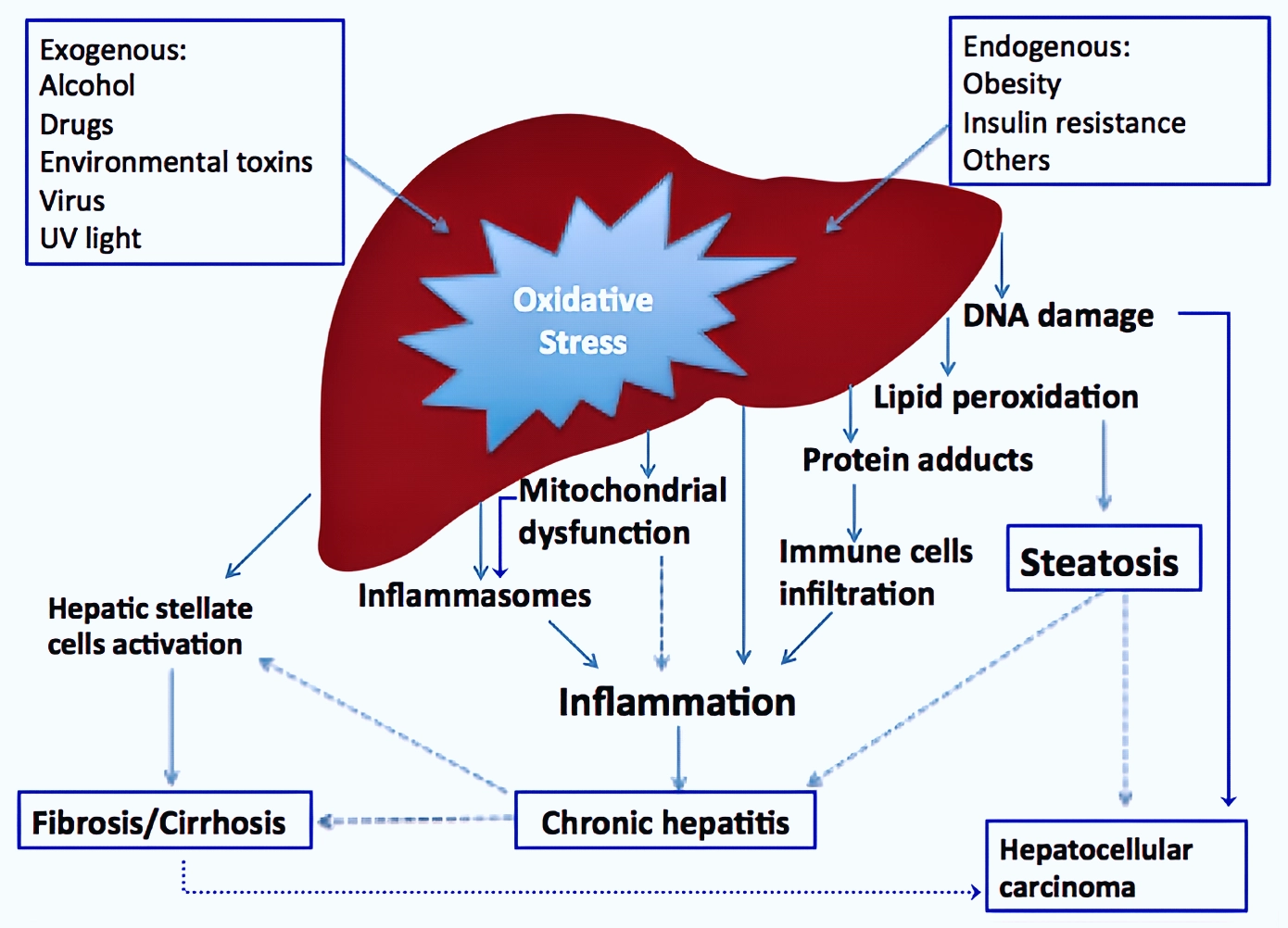
Figure 1 The general mechanism scheme of oxidative stress induced by various factors on liver disease.
Livagen, as a substance with potential antioxidant properties, can mitigate oxidative stress-induced liver damage by regulating the body's antioxidant defense system, offering a new approach for the prevention and treatment of liver injury.
The Role of Livagen in Antioxidant Stress and Liver Injury
Regulating Antioxidant Enzyme Activity
Livagen significantly increases the activity of antioxidant enzymes in the liver, such as superoxide dismutase (SOD) and glutathione peroxidase (GSH-Px). SOD is the first line of defense in the body's antioxidant defense system, catalyzing the dismutation reaction of superoxide anion free radicals to produce hydrogen peroxide and oxygen, thereby reducing the damage caused by superoxide anion free radicals to liver cells. GSH-Px utilizes reduced glutathione (GSH) to reduce hydrogen peroxide to water and lipid peroxides to their corresponding alcohols, effectively inhibiting the progression of lipid peroxidation chain reactions and protecting the integrity of liver cell membranes.
Maintaining Glutathione (GSH) Levels
GSH is an important non-enzymatic antioxidant in the liver, playing a key role in maintaining intracellular redox homeostasis. Livagen can maintain GSH levels in the liver by promoting GSH synthesis or inhibiting its consumption. GSH not only directly participates in free radical scavenging reactions but also serves as a substrate for GSH-Px, enhancing its antioxidant activity. When the liver is subjected to oxidative stress, GSH is consumed in large quantities, leading to a decrease in its levels. Livagen's intervention can restore GSH levels, thereby enhancing the liver's antioxidant defense capacity and reducing oxidative stress-induced damage to hepatocytes.
Inhibiting the expression of inflammatory factors
Oxidative stress and inflammatory responses interact and reinforce each other during liver damage. Livagen can reduce liver inflammation by inhibiting the expression of inflammatory factors, thereby indirectly exerting an antioxidant effect. Nuclear factor-κB (NF-κB) is a key transcription factor that plays a central role in regulating inflammatory responses. When the liver is exposed to injury stimuli, NF-κB is activated, leading to the expression of various inflammatory factors such as tumor necrosis factor-α (TNF-α) and interleukin-1β (IL-1β). These inflammatory factors further exacerbate oxidative stress, creating a vicious cycle. Livagen can inhibit NF-κB activation, reduce the expression of inflammatory factors, thereby alleviating liver inflammatory damage and relieving oxidative stress.
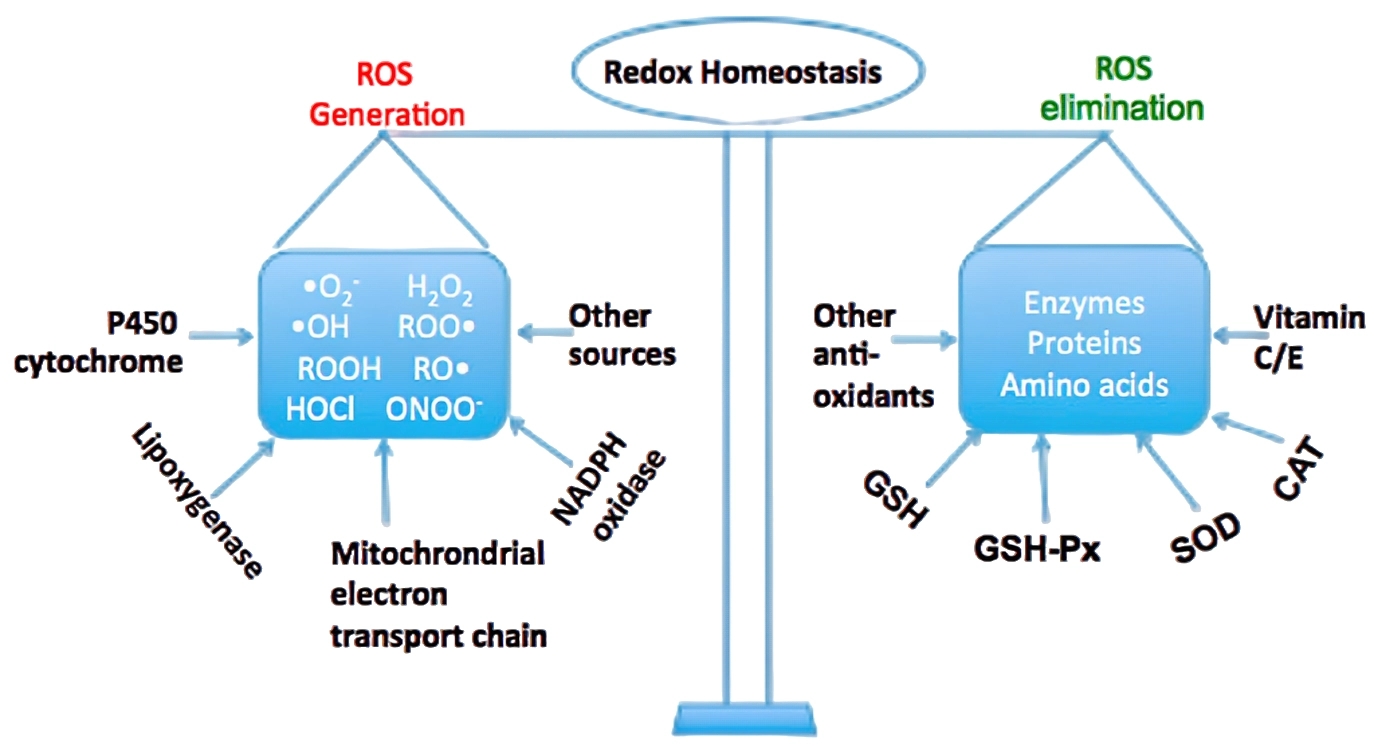
Figure 2 The redox homeostasis in the liver.
Alleviating lipid peroxidation damage
Lipid peroxidation is one of the key mechanisms by which oxidative stress causes liver cell damage. ROS attack polyunsaturated fatty acids on the cell membrane, triggering lipid peroxidation reactions and generating lipid peroxidation products such as malondialdehyde (MDA). These products are cytotoxic, disrupting the structure and function of cell membranes and causing liver cell damage. Livagen, through its antioxidant effects, can effectively inhibit lipid peroxidation reactions, reduce MDA levels in liver tissue, mitigate cell membrane damage, and protect the normal function of liver cells.
Application of Livagen in Liver Injury Protection
Drug-Induced Liver Injury
Drug-induced liver injury is one of the most common liver diseases in clinical practice. Many drugs, such as acetaminophen and antituberculosis drugs, may cause liver damage while treating diseases. Livagen demonstrates excellent protective effects in animal models of drug-induced liver injury. In an acetaminophen-induced liver injury model, pre-treatment with Livagen resulted in a significant reduction in serum alanine transaminase (ALT) and aspartate transaminase (AST) levels, indicating a reduction in the severity of liver injury. Additionally, histopathological examination of liver tissue showed that Livagen improved morphological changes in hepatocytes, reduced hepatocyte necrosis, and decreased inflammatory cell infiltration. This suggests that Livagen has potential application value in the prevention and treatment of drug-induced liver injury and may serve as a new option for adjunctive therapy in drug-induced liver injury.
Alcoholic liver injury
Chronic excessive alcohol consumption can lead to alcoholic liver injury, significantly impairing patients' quality of life and health. Livagen also exhibits protective effects against alcoholic liver injury. In animal experiments of alcoholic liver injury, following administration of Livagen, oxidative stress markers in the liver were improved, such as increased SOD activity and reduced MDA levels. Livagen can also regulate the activity of enzymes related to alcohol metabolism, reducing the production of free radicals during alcohol metabolism, thereby mitigating alcohol-induced liver damage. Livagen can inhibit alcohol-induced liver inflammatory responses, lower inflammatory factor levels, and further protect the liver from damage. Livagen has the potential to become an effective drug for the prevention and treatment of alcoholic liver injury.
Conclusion
Livagen exerts antioxidant stress effects through multiple mechanisms, including regulating antioxidant enzyme activity, maintaining GSH levels, inhibiting inflammatory factor expression, and reducing lipid peroxidation damage, thereby providing protective effects against liver damage caused by various factors. It demonstrates potential application value in fields such as drug-induced liver damage and alcoholic liver damage.
Sources
[1] Liu Y, Liu Y, Dou B, et al. Protective Effect of Resveratrol on Hepatocyte Apoptosis in Alcoholic Liver[J]. Journal of Biobased Materials and Bioenergy, 2021. https://api.semanticscholar.org/CorpusID:241263658
[2] Li S, Tan H, Wang N, et al. The Role of Oxidative Stress and Antioxidants in Liver Diseases[J]. International Journal of Molecular Sciences, 2015,16(11):26087-26124.DOI:10.3390/ijms161125942.
[3] Zhang Z, Gao L, Cheng Y, et al. Resveratrol, a natural antioxidant, has a protective effect on liver injury induced by inorganic arsenic exposure[J]. Biomed Research International, 2014,2014:617202.DOI:10.1155/2014/617202.
Product available for research use only: