What are you looking for?
Search

The Hepatoprotective Effects of Livagen
ALL ARTICLES AND PRODUCT INFORMATION PROVIDED ON THIS WEBSITE ARE SOLELY FOR INFORMATION DISSEMINATION AND EDUCATIONAL PURPOSES.
The products provided on this website are intended exclusively for in vitro research. In vitro research (Latin: *in glass*, meaning in glassware) is conducted outside the human body. These products are not pharmaceuticals, have not been approved by the U.S. Food and Drug Administration (FDA), and must not be used to prevent, treat, or cure any medical condition, disease, or ailment. It is strictly prohibited by law to introduce these products into the human or animal body in any form.
As a substance with potential hepatoprotective functions, Livagen exerts its hepatoprotective effects through multiple mechanisms, including influences on cellular structure and function, regulation of liver-related metabolic processes, and performance in various liver injury models. The following sections will provide a detailed discussion of Livagen's hepatoprotective effects and applications.

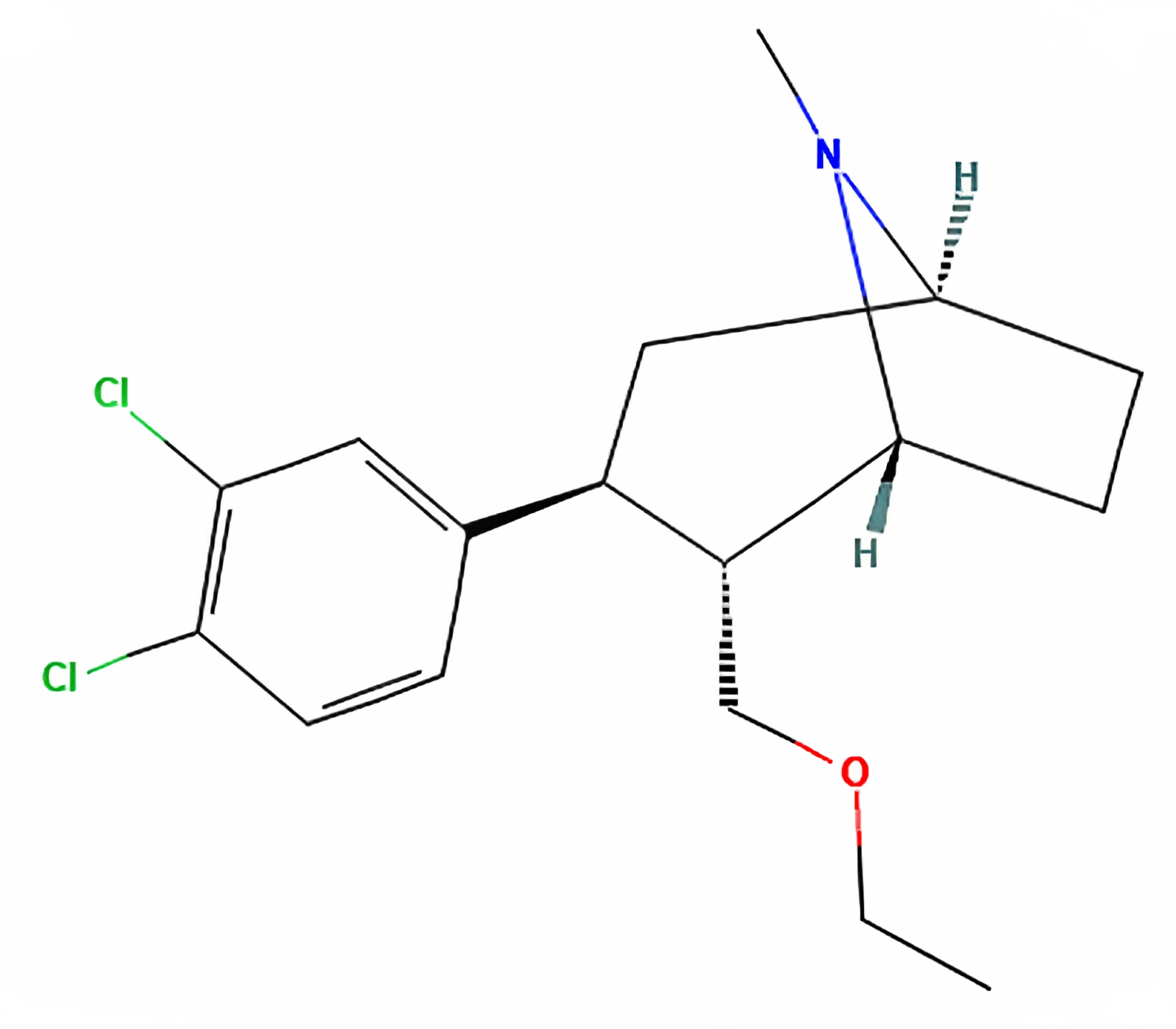
Figure 1 The chemical structure of Livagen.
Livagen's Effects on Liver Cell Structure and Function
At the cellular level, Livagen plays a crucial regulatory role in the morphology and function of liver cells. Data from immunocytochemistry and morphometric analysis indicate that Livagen can stimulate the structural and functional homeostasis of cell populations in liver cultures. Specifically, Livagen's primary mode of action lies in stabilizing cellular morphological integrity and enhancing cellular and intracellular regenerative processes. It helps maintain the normal morphology of liver cells, enabling them to perform their physiological functions more effectively. When liver cells are subjected to external disturbances that may cause morphological changes or damage, Livagen can act to help cells maintain their normal morphology as much as possible, thereby ensuring the normal functioning of their functions.
From the perspective of protein synthesis, Livagen also demonstrates positive effects. A study on the circadian rhythm of protein synthesis in liver cell monolayer cultures from rats of different ages (1–24 months) found that Livagen (Lys-Glu-Asp-Ala), obtained through directed chemical synthesis based on amino acid analysis of a liver peptide preparation, can increase protein synthesis levels in liver cells from rats of different ages. This effect is particularly pronounced in cells from elderly rats, where Livagen not only increases protein synthesis levels but also amplifies the amplitude of protein synthesis fluctuations. Proteins are the essential material basis for cells to perform various functions. Livagen's promotional effect on protein synthesis helps maintain normal metabolic and physiological functions of liver cells. Many enzymes involved in liver detoxification, substance synthesis, and degradation processes are proteins. By promoting protein synthesis, Livagen may increase the content and activity of these enzymes, thereby enhancing the overall function of the liver.
Livagen's regulation of liver-related metabolic processes
The liver plays a central role in human metabolic processes, and Livagen can exert positive regulatory effects on various hepatic metabolic functions. In energy metabolism, the liver is a key site for carbohydrate, lipid, and protein metabolism. Livagen may regulate energy metabolic balance within the liver by influencing the activity of relevant metabolic enzymes. It may promote the synthesis or activity of key enzymes in gluconeogenesis, enabling the liver to more effectively convert non-carbohydrate substances into glucose when the body needs it, thereby providing energy for the body. For fat metabolism, Livagen may regulate the β-oxidation process of fatty acids, preventing excessive fat accumulation in the liver and thereby helping to prevent conditions such as fatty liver disease.
In terms of material synthesis and catabolic metabolism, Livagen also plays a role. The liver is responsible for synthesizing various important substances, such as albumin and clotting factors. By promoting protein synthesis, Livagen indirectly helps increase the production of these substances, maintaining normal physiological functions. Albumin is crucial for maintaining plasma colloid osmotic pressure. Livagen's promotion of albumin synthesis helps stabilize plasma colloid osmotic pressure, preventing conditions like tissue edema. In terms of catabolic metabolism, Livagen may enhance the liver's ability to break down and convert harmful substances. Exogenous toxins or endogenous metabolic waste products entering the liver must undergo a series of metabolic conversion processes before being excreted from the body. Livagen may regulate the activity of relevant metabolic enzymes to accelerate the metabolic conversion of these substances, thereby reducing the liver's detoxification burden and protecting it from damage.
Performance of Livagen in Different Liver Injury Models
In some experimentally induced liver injury models, Livagen demonstrated good liver protective effects. In models simulating liver damage caused by toxins, Livagen could reduce the extent of damage to liver cells caused by toxins. When liver cells are exposed to certain chemical toxins, their membrane structures and organelles may be damaged, leading to cellular dysfunction or even death. After treatment with Livagen, the extent of cellular damage was significantly reduced, and levels of certain damage markers within cells decreased. This indicates that Livagen can to some extent counteract the toxic attack on liver cells, protecting their integrity and function.
In an immune-mediated liver injury model, Livagen also exhibits positive effects. Abnormal activation of the immune system may trigger inflammatory responses in the liver, leading to tissue damage. Livagen may mitigate liver inflammation by regulating the activity of immune cells and the release of inflammatory factors. It may inhibit the production of certain pro-inflammatory cytokines (such as tumor necrosis factor-α, etc.) while promoting the secretion of anti-inflammatory cytokines (such as interleukin-10, etc.), thereby shifting the inflammatory microenvironment within the liver toward a direction favorable for tissue repair, reducing inflammatory damage to liver cells, and promoting the repair and regeneration of liver tissue.
Potential applications of Livagen in the prevention and treatment of liver diseases
Based on Livagen's excellent performance in liver cells and various injury models, it holds potential application value in the prevention and treatment of liver diseases. In terms of prevention, for high-risk populations such as long-term drinkers, obese individuals, and occupational groups exposed to hepatotoxic substances, Livagen may serve as a preventive nutritional supplement. By consistently taking Livagen, it helps maintain the health of liver cells, enhance liver metabolic and detoxification functions, and reduce the risk of liver disease. For chronic alcohol consumers, alcohol and its metabolites can cause sustained damage to the liver. Livagen can mitigate this damage to some extent, protect liver cells from alcohol-induced harm, and prevent the onset of alcoholic liver disease.
In terms of treatment, for patients already diagnosed with liver disease, Livagen can serve as an adjunctive therapeutic modality. For example, in patients with chronic hepatitis, Livagen can be used in combination with traditional antiviral or anti-inflammatory medications. It promotes liver cell repair and regeneration, enhances the liver's immune regulatory functions, improves the efficacy of medications, reduces inflammation and fibrosis in the liver, and slows disease progression. For patients with cirrhosis, Livagen helps improve liver microcirculation, promote nutrient supply to liver cells, and regulate extracellular matrix metabolism within the liver, thereby reducing excessive fibrous tissue deposition. This can improve liver function to some extent and enhance patients' quality of life.
Exploration of the Mechanism of Action of Livagen in Liver Protection
From the perspective of cellular signaling pathways, Livagen may participate in regulating pathways related to cell growth, proliferation, and survival. For example, it may activate the mitogen-activated protein kinase (MAPK) signaling pathway, which plays a key role in cell growth, differentiation, and stress responses. By activating the MAPK signaling pathway, Livagen can promote liver cell proliferation and survival, accelerating the repair and regeneration process when the liver is damaged.
Livagen can interact with transcription factors within cells to regulate the expression of related genes. Transcription factors are a class of proteins that bind to specific gene promoter regions to regulate gene transcription. Livagen may influence the activity or expression levels of certain transcription factors, thereby altering the expression of genes related to liver cell structure maintenance, metabolic function regulation, and antioxidant defense, thereby exerting its liver-protective effects. For example, it may regulate the activity of nuclear factor E2-related factor 2 (Nrf2), a key transcription factor in the cellular antioxidant defense system that controls the expression of a series of antioxidant enzyme genes. By activating Nrf2, Livagen promotes the synthesis of antioxidant enzymes, enhances the antioxidant capacity of liver cells, and protects the liver from oxidative stress-induced damage.
From the perspective of intercellular communication, the liver contains various cell types, such as hepatocytes, hepatic stellate cells, and Kupffer cells, which collaborate through intercellular communication to maintain normal liver function. Livagen may influence the communication patterns between these cells, regulating their interactions. It may regulate the activation state of hepatic stellate cells, which play a key role in liver fibrosis. Livagen reduces the synthesis and secretion of extracellular matrix by inhibiting the activation of hepatic stellate cells, thereby alleviating the severity of liver fibrosis. Additionally, Livagen may modulate the immune regulatory function of Kupffer cells, enabling them to play a more beneficial role in liver inflammatory responses and promoting the repair and regeneration of liver tissue.
Conclusion
In summary, Livagen has demonstrated significant roles in liver protection. Through in-depth research into its mechanisms of action and ongoing exploration of its clinical applications, it may contribute to the prevention and treatment of liver diseases.
Sources
[1] Riadnova I, Filippov S V, Iuzhakov V V. [Functional morphology of an organotypic liver culture exposed to the peptide livagen][J]. Advances in Gerontology, 2002,10:88-94. http://www.ncbi.nlm.nih.gov/entrez/query.fcgi?cmd=Retrieve&db=pubmed&dopt=Abstract&list_uids=12577697&query_hl=1.
[2] Brodskiĭ V, Khavinson V, Zolotarev I, et al. [Rhythm of protein synthesis in cultures of hepatocytes from rats of different ages. Norm and effect of the peptide livagen][J]. Izv Akad Nauk Ser Biol, 2001(5):517-521. http://www.ncbi.nlm.nih.gov/entrez/query.fcgi?cmd=Retrieve&db=pubmed&dopt=Abstract&list_uids=15926314&query_hl=1
Product available for research use only: