What are you looking for?
Search

Is Semaglutid Safe? A Detailed Overview
Semaglutid is transforming diabetes and weight management. But is it safe? This question is crucial for those considering treatment. In this article, we’ll explore what semaglutide is, why it's gaining attention, and its safety profile. You’ll learn about its uses, side effects, and how to choose the right brand.
Introduction
Semaglutid has gained significant attention in recent years for its role in managing type 2 diabetes and obesity. As a GLP-1 receptor agonist, it mimics the natural hormone GLP-1, which helps regulate blood sugar and appetite. Healthcare providers and patients alike often ask, is semaglutide safe? Understanding its mechanism, clinical applications, dosage forms, and potential side effects is critical for safe and effective use. This article consolidates information from reputable sources, including Mayo Clinic, Drugs.com, and NCBI, to provide a thorough guide for clinicians, researchers, and informed patients.
What is Semaglutid?
Semaglutid is a prescription medication that acts as a GLP-1 receptor agonist, available in weekly injectable forms (Ozempic, Wegovy) and a daily oral tablet (Rybelsus). Its primary function is to support glucose regulation in adults with type 2 diabetes and aid in weight management for patients with obesity. It also helps reduce cardiovascular risks and chronic kidney disease progression in select populations.
The drug works by stimulating insulin secretion, suppressing glucagon, slowing gastric motility, and regulating appetite. These effects collectively improve blood sugar control and promote satiety, supporting weight loss and metabolic health. Semaglutid is widely regarded as effective when combined with diet and exercise interventions. Its approval by the FDA across multiple indications reflects its versatility in managing various metabolic disorders.
Mechanism of Action
Semaglutid closely mimics the GLP-1 hormone naturally released after meals. By activating GLP-1 receptors, it facilitates several physiological responses:
1. Insulin Secretion: Semaglutid enhances pancreatic β-cell activity to release insulin when blood glucose rises, helping maintain normal glucose levels.
2. Glucagon Suppression: By reducing glucagon release from α-cells, it decreases hepatic glucose production, lowering fasting blood sugar.
3. Appetite Regulation: Acting on the central nervous system, semaglutide reduces hunger signals, which contributes to calorie reduction and weight loss.
4. Gastric Motility: By delaying stomach emptying, it prolongs fullness after meals, supporting adherence to dietary regimens.
This combination of actions provides both glycemic control and weight management benefits. While the exact mechanism for cardiovascular and kidney-protective effects is not fully understood, clinical evidence supports its positive impact in these areas.
Clinical Applications
Semaglutid is approved for multiple indications depending on the brand and patient needs.
● Type 2 Diabetes: Both Ozempic and Rybelsus are used as adjunct therapy alongside diet and exercise to improve glycemic control. They also help reduce major cardiovascular events, such as heart attack and stroke, in patients with known heart disease.
● Obesity Management: Wegovy is FDA-approved for weight loss in patients aged 12 and older. It supports sustained weight management and helps mitigate metabolic complications.
● Chronic Kidney Disease (CKD): Ozempic reduces the risk of kidney function decline and death due to cardiovascular causes in adults with CKD and type 2 diabetes.
● Metabolic Dysfunction-Associated Steatohepatitis (MASH): Wegovy is also indicated for non-cirrhotic MASH in adults with moderate to advanced liver fibrosis.
These applications highlight semaglutide’s versatility in addressing both blood sugar control and broader metabolic risks. Clinicians must carefully select patients based on comorbidities, age, and treatment goals to ensure safe and effective therapy.
Side Effects and Safety Considerations
Semaglutid is generally well tolerated, but some adverse effects can occur, particularly during dose escalation. Common side effects include nausea, vomiting, diarrhea, constipation, and abdominal discomfort. These gastrointestinal effects are usually transient and may decrease over time with continued use.
Serious adverse events are rare but may include pancreatitis, severe gallbladder disease, or kidney injury. Patients with a history of medullary thyroid carcinoma or multiple endocrine neoplasia syndrome type 2 should avoid GLP-1 receptor agonists due to potential thyroid risks. Additionally, semaglutide may contribute to mild hypoglycemia, especially when used alongside insulin or sulfonylureas.
Healthcare providers must monitor patients for side effects and adjust doses gradually. Patient education on recognizing and reporting symptoms is essential to prevent complications. Despite these considerations, the drug’s benefits in controlling blood sugar, reducing weight, and lowering cardiovascular risks make it a valuable therapeutic tool.
Choosing the Right Semaglutid Formulation
Semaglutid is available in three main brands, each suited for specific indications:
● Ozempic: Weekly subcutaneous injection primarily for type 2 diabetes, cardiovascular risk reduction, and CKD protection.
● Wegovy: Weekly subcutaneous injection designed for weight management in patients with obesity, including reduction of cardiovascular event risk.
● Rybelsus: Daily oral tablet for type 2 diabetes, convenient for patients who prefer oral medication over injection.
Factors influencing formulation choice include the patient’s condition, treatment adherence, injection tolerance, and cost. Weekly injections provide consistent therapeutic levels, while the oral tablet offers flexibility for patients averse to needles. Providers should assess patient lifestyle and comorbidities to ensure optimal efficacy and safety.
Comparing Semaglutid Brands
Ozempic vs. Wegovy vs. Rybelsus
Semaglutid comes in three main brands, each designed for specific uses and delivery methods. Understanding their differences helps you and your doctor pick the best option.
● Ozempic: A once-weekly injection mainly for adults with type 2 diabetes. It helps control blood sugar and lowers the risk of major heart problems. It also reduces kidney disease progression in some patients. Ozempic is not FDA-approved for weight loss but may cause some weight reduction as a side effect.
● Wegovy: Also a once-weekly injection, but specifically approved for weight management in adults and adolescents aged 12 and older. It’s for people with obesity or overweight and at least one related health condition, like diabetes or high blood pressure. Wegovy can also reduce cardiovascular risks and treat metabolic liver disease (MASH) in adults.
● Rybelsus: The only oral semaglutide form, taken daily as a tablet. It’s approved for type 2 diabetes management in adults. While it improves blood sugar control, it does not have the same cardiovascular risk reduction approval as Ozempic.
Each brand has different dosing schedules and strengths. For example, Wegovy’s doses increase gradually over 16 weeks to the maintenance dose of 2.4 mg weekly, helping reduce side effects. Ozempic starts at 0.25 mg weekly, increasing to 0.5 mg and possibly up to 2 mg weekly. Rybelsus starts at 3 mg daily, increasing to 7 mg and possibly 14 mg daily.
Choosing the Right Brand for You
Choosing depends on your health goals, medical conditions, and lifestyle:
● If you have type 2 diabetes and want to lower heart and kidney risks, Ozempic is often preferred.
● If your main goal is weight loss and you meet BMI criteria, Wegovy is the FDA-approved choice.
● If you prefer pills over injections for diabetes control, Rybelsus may suit you.
Doctors consider your medical history, potential side effects, and how you feel about injections versus pills. They also monitor your response and adjust treatment as needed.
Cost and Insurance Considerations
Cost varies widely among the brands and depends on insurance coverage, location, and pharmacy. Generally:
● Wegovy tends to be more expensive due to its higher dosage and specific weight loss indication.
● Ozempic is moderately priced but may be costly without insurance.
● Rybelsus might have lower monthly costs but requires daily dosing.
Insurance plans differ in coverage for these drugs. Some cover Ozempic for diabetes but not Wegovy for weight loss. Others may require prior authorization or have high copays.
Patients often seek manufacturer coupons or assistance programs to reduce out-of-pocket costs. Discuss affordability openly with your healthcare provider or pharmacist to find the best option.
Tip: When selecting a semaglutide brand, consult your healthcare provider about your health goals, lifestyle preferences, and insurance coverage to ensure the most effective and affordable choice.
Conclusion
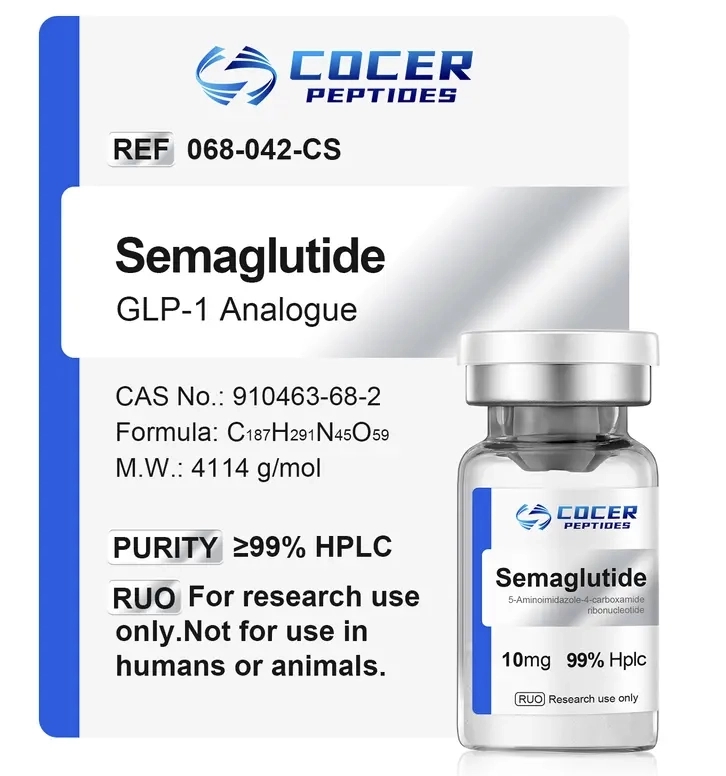
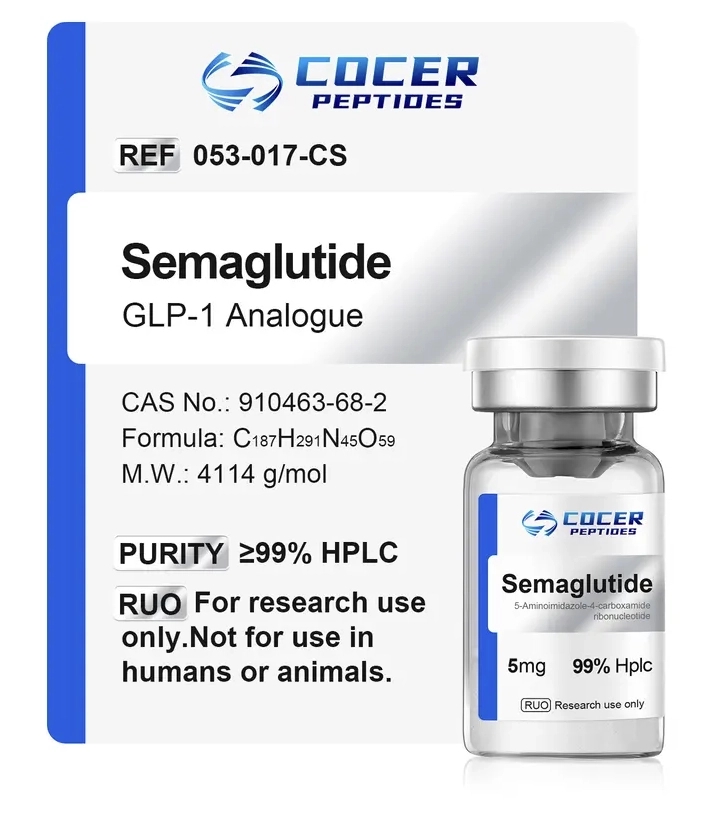
Semaglutid is a prescription medication primarily used for managing type 2 diabetes, aiding weight loss, and reducing cardiovascular risks. It works by mimicking the natural hormone GLP-1, regulating blood sugar and appetite. While generally safe, it may cause side effects like stomach issues and rare serious conditions. Cocer Peptides™ offers semaglutide with unique benefits, providing effective solutions for diabetes and weight management. Future use may expand as research continues to explore its potential benefits and applications.
FAQ
Q: What is semaglutide used for?
A: Semaglutid is used primarily for managing type 2 diabetes, supporting weight loss, and reducing cardiovascular risks.
Q: How does semaglutide work?
A: Semaglutid works by activating GLP-1 receptors, which help control blood sugar levels and appetite, promoting weight loss.
Q: Is semaglutide safe for everyone?
A: Semaglutid is not suitable for individuals with certain conditions like MEN 2, MTC, or allergic reactions to the drug.
Q: What are the common side effects of semaglutide?
A: Common side effects include nausea, vomiting, diarrhea, constipation, and stomach pain, which usually improve over time.