What are you looking for?
Search

Growth Hormone-Releasing Peptide: An Analysis of Structure, Function, and Applications
ALL ARTICLES AND PRODUCT INFORMATION PROVIDED ON THIS WEBSITE ARE SOLELY FOR INFORMATION DISSEMINATION AND EDUCATIONAL PURPOSES.
The products provided on this website are intended exclusively for in vitro research. In vitro research (Latin: *in glass*, meaning in glassware) is conducted outside the human body. These products are not pharmaceuticals, have not been approved by the U.S. Food and Drug Administration (FDA), and must not be used to prevent, treat, or cure any medical condition, disease, or ailment. It is strictly prohibited by law to introduce these products into the human or animal body in any form.
Overview
Since its discovery in 1999, ghrelin has emerged as a focal point of research in the life sciences due to its unique physiological functions and broad biological effects. Ghrelin plays a crucial role in regulating the release of growth hormone (GH) and is also involved in multiple important physiological processes, including energy balance, appetite regulation, gastrointestinal function, cardiovascular homeostasis, and neuroprotection.
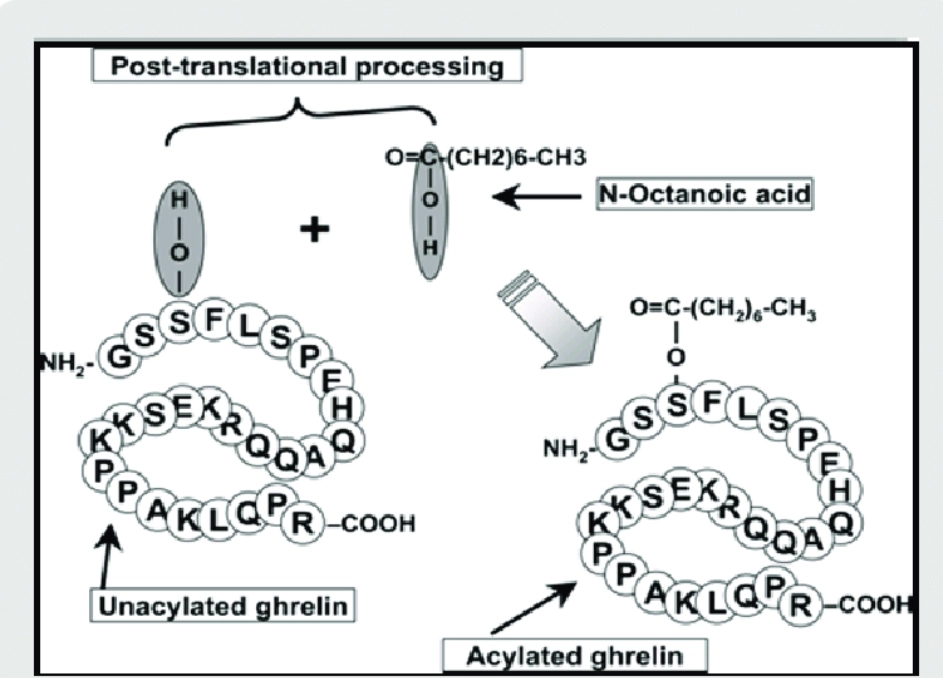
Figure 1 Ghrelin hormone in its inactive form (desacyl ghrelin) is converted to its active form (acyl ghrelin).
Structure and Distribution of Ghrelin
(1) Structure
Chemical Composition: Ghrelin is a polypeptide composed of 28 amino acids, with its primary structure exhibiting high conservation across different species. In humans, the amino acid sequence of ghrelin is GSSFLSPEHQRVQQRKESKKPPAKLQPR. Its unique feature is the octanoylation modification on the serine residue at position 3, which is crucial for ghrelin's binding to the growth hormone-releasing hormone receptor (GHS-R) and the exertion of its biological activity.
Isomers: In addition to the classic octanoylated Ghrelin, there are also deacetylated Ghrelin and other isomers. Although deacetylated Ghrelin lacks the octanoylation modification and does not possess the ability to bind to GHS-R with high affinity, research has shown that it can exert biological effects through other unknown receptors or mechanisms.
(2) Distribution
Tissue distribution: Ghrelin is primarily synthesized and secreted by acid-secreting cells in the gastric fundic glands and is also expressed in multiple tissues and organs, including the small intestine, pancreas, hypothalamus, and pituitary gland. In the gastrointestinal tract, ghrelin expression levels decrease gradually from the stomach to the small intestine. In the central nervous system, ghrelin is highly expressed in regions such as the arcuate nucleus and paraventricular nucleus of the hypothalamus, which are closely associated with appetite regulation, energy metabolism, and neuroendocrine regulation.
Cellular localization: In the stomach, Ghrelin is primarily expressed in the endocrine cells of the gastric mucosa, which can detect the nutritional status within the gastrointestinal tract and transmit signals to the central nervous system through Ghrelin secretion. In the pituitary gland, Ghrelin may directly act on growth hormone cells to regulate growth hormone release.
Mechanism of Action of Growth Hormone-Releasing Peptide
(1) Binding to Receptors
GHS-R-mediated signaling pathway: The primary biological effects of Ghrelin are achieved through binding to the growth hormone-releasing hormone receptor 1a (GHS-R1a). GHS-R1a is a G protein-coupled receptor widely distributed in the pituitary gland, hypothalamus, and other peripheral tissues. Upon binding to GHS-R1a, ghrelin activates G proteins, which in turn activate the phospholipase C (PLC)-inositol trisphosphate (IP3)-calcium ion (Ca⊃2;⁺) signaling pathway, leading to an increase in intracellular Ca⊃2;⁺ concentration and ultimately promoting growth hormone release and regulating other physiological functions.
Non-GHS-R-mediated mechanisms: In addition to GHS-R1a, studies have shown that ghrelin may also exert biological effects through interactions with other receptors or membrane proteins.

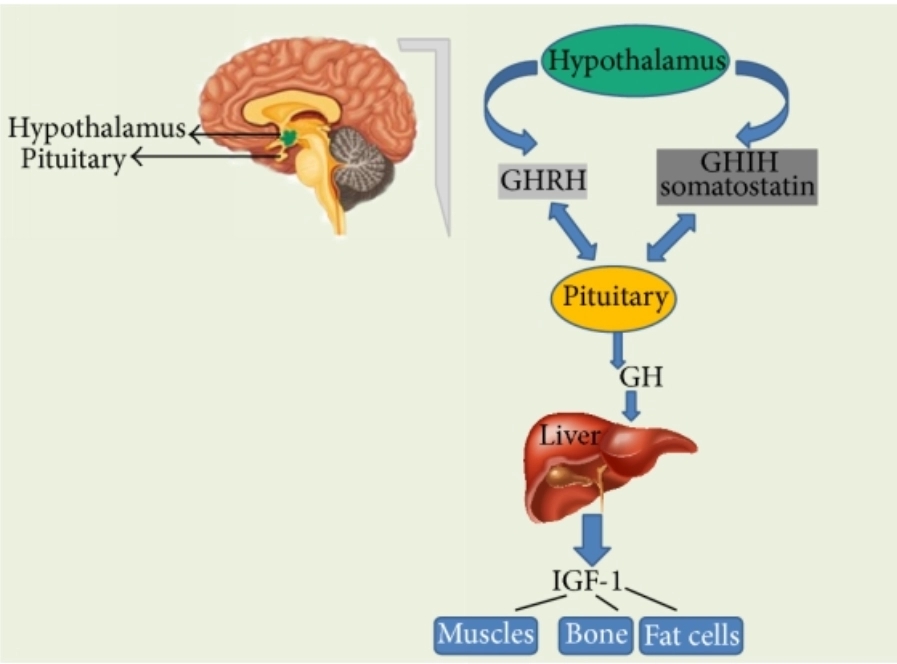
Figure 2 Ghrelin exerts its effects in the hypothalamus via three different pathways.
(2) Regulation of gene expression
Hypothalamic-pituitary axis-related genes: Ghrelin can regulate the expression of multiple genes in the hypothalamic-pituitary axis. At the pituitary level, ghrelin can upregulate the transcription of the growth hormone gene, promoting the synthesis and release of growth hormone. In the hypothalamus, ghrelin can influence the expression of growth hormone-releasing hormone (GHRH) and somatostatin (SS), indirectly regulating growth hormone release by modulating the secretion of GHRH and SS. Specifically, ghrelin can stimulate GHRH secretion while inhibiting SS secretion, thereby synergistically promoting growth hormone release.
Energy metabolism-related genes: In adipose tissue and the liver, ghrelin regulates the expression of genes related to energy metabolism. For example, ghrelin can upregulate the expression of peroxisome proliferator-activated receptor γ (PPARγ), promoting adipocyte differentiation and lipogenesis; simultaneously, in the liver, ghrelin regulates the expression of genes related to gluconeogenesis, influencing the homeostasis of blood glucose levels.
Physiological effects of growth hormone-releasing peptide
(1) Promoting growth hormone release
Direct action on the pituitary gland: Ghrelin is a potent growth hormone-releasing agent that directly acts on growth hormone cells in the anterior pituitary gland, promoting the synthesis and release of growth hormone through the GHS-R1a-mediated signaling pathway. Compared to growth hormone-releasing hormone (GHRH), ghrelin stimulates growth hormone release more rapidly, and the two have synergistic effects. Under physiological conditions, ghrelin, GHRH, and somatostatin jointly regulate the pulsatile secretion of growth hormone, maintaining normal growth hormone levels.
Effects on growth: Growth hormone plays a key role in promoting bodily growth and development. Ghrelin indirectly influences growth by promoting the release of growth hormone. During childhood and adolescence, normal secretion of Ghrelin is crucial for processes such as skeletal growth and muscle development. In patients with growth hormone deficiency, ghrelin secretion levels are often low. Exogenous administration of ghrelin or its analogues can effectively increase growth hormone levels and promote growth and development.
(2) Regulation of Energy Metabolism
Appetite Regulation: Ghrelin, known as the “hunger hormone,” is an important signaling molecule regulating appetite. In the arcuate nucleus of the hypothalamus, ghrelin binds to GHS-R1a receptors on neuropeptide Y (NPY)/agouti-related protein (AgRP) neurons, stimulating the release of NPY and AgRP, thereby increasing appetite and promoting food intake. Ghrelin also indirectly influences appetite by regulating the activity of corticotropin-releasing hormone (CRH) neurons in the paraventricular nucleus of the hypothalamus. During fasting, ghrelin levels rise, triggering hunger; after eating, ghrelin levels rapidly decrease, enhancing the feeling of fullness.
Energy balance regulation: Ghrelin also participates in the regulation of energy metabolism, maintaining the body's energy balance. Ghrelin promotes lipolysis, increases fatty acid oxidation, and enhances the body's energy supply. Ghrelin inhibits insulin secretion, reduces peripheral tissue uptake and utilization of glucose, and elevates blood glucose levels, providing the body with additional energy sources. Chronic high expression of ghrelin may lead to excessive energy intake, fat accumulation, and subsequently metabolic disorders such as obesity.
(3) Effects on gastrointestinal function
Gastric acid secretion and gastrointestinal motility: In the gastrointestinal tract, ghrelin plays a crucial regulatory role in gastric acid secretion and gastrointestinal motility. Ghrelin stimulates gastric mucosal parietal cells to secrete gastric acid, regulating the acidic environment within the stomach, which aids in food digestion and absorption. Ghrelin promotes gastrointestinal peristalsis, enhancing propulsive movements in the gastrointestinal tract and accelerating the emptying of food from the gastrointestinal tract. In certain gastrointestinal disorders, such as functional dyspepsia and gastroparesis, abnormal Ghrelin levels may lead to disruptions in gastric acid secretion and gastrointestinal motility.
Protection of the Gastrointestinal Mucosa: Ghrelin has a protective effect on the gastrointestinal mucosa. It promotes the proliferation and repair of gastrointestinal mucosal cells, enhances mucosal barrier function, and protects against damage caused by harmful substances such as gastric acid and Helicobacter pylori. In disease models such as gastric ulcers and duodenal ulcers, exogenous administration of ghrelin accelerates ulcer healing and reduces the extent of mucosal damage.
(4) Regulation of the cardiovascular system
Cardiac function regulation: Ghrelin is widely expressed in the heart and plays an important regulatory role in cardiac function. Ghrelin enhances myocardial contractility, increases cardiac output, and improves cardiac pumping function. In myocardial ischemia-reperfusion injury models, ghrelin reduces myocardial cell apoptosis and necrosis, reduces infarct size, and exerts a cardioprotective effect. Its mechanism may be related to the activation of intracellular survival signaling pathways, such as the phosphoinositide 3-kinase (PI3K)/protein kinase B (Akt) signaling pathway.
Vascular Tension Regulation: Ghrelin regulates vascular tension and maintains stable blood pressure. It acts on vascular smooth muscle cells to inhibit the effects of vasoconstrictive substances such as angiotensin II, causing vasodilation, reducing peripheral vascular resistance, and thereby lowering blood pressure. Ghrelin also inhibits the expression of vascular endothelial cell adhesion molecules, reducing the adhesion and infiltration of inflammatory cells, exerting a vascular protective effect, and preventing the development of atherosclerosis.
(5) Neuroprotective effects
Neuronal survival and proliferation: In the nervous system, ghrelin has a protective effect on neurons. It promotes the proliferation and differentiation of neural stem cells, increases the number of neurons, and maintains the normal development and function of the nervous system. In models of neurodegenerative diseases such as Alzheimer's disease and Parkinson's disease, ghrelin can inhibit neuronal apoptosis, reduce neuroinflammatory responses, and improve cognitive and motor functions. Its neuroprotective mechanisms may be related to regulating intracellular oxidative stress responses, inhibiting apoptosis signaling pathways, and promoting the release of neurotransmitters.
Neuroendocrine Regulation: As a neuroendocrine regulatory factor, Ghrelin participates in regulating the function of the hypothalamic-pituitary-adrenal axis (HPA axis). Under stress conditions, elevated ghrelin levels inhibit the excessive activation of the HPA axis, reducing corticosteroid secretion and thereby mitigating stress-induced damage to the body. Additionally, ghrelin regulates the hypothalamic-pituitary-thyroid axis (HPT axis) and the hypothalamic-pituitary-gonadal axis (HPG axis), maintaining the homeostasis of the neuroendocrine system.
(6) Other physiological effects
Immune regulation: Ghrelin also plays a role in the immune system. It can regulate the function of immune cells, promote the proliferation and differentiation of lymphocytes, and enhance the body's immune response capacity. In inflammatory states, ghrelin can inhibit the release of inflammatory cytokines, such as tumor necrosis factor-α (TNF-α) and interleukin-6 (IL-6), thereby reducing inflammatory responses and exerting immunomodulatory and anti-inflammatory effects.
Bone Metabolism Regulation: Ghrelin has regulatory effects on bone metabolism. It promotes the proliferation and differentiation of osteoblasts, inhibits the activity of osteoclasts, thereby increasing bone mass and promoting bone formation. In patients with osteoporosis, ghrelin levels are often reduced, suggesting that ghrelin may be associated with the development of osteoporosis. Exogenous administration of ghrelin or its analogues may provide new therapeutic strategies for osteoporosis.
Applications of Growth Hormone-Releasing Peptide
(1) Clinical Therapeutic Applications
Growth Hormone Deficiency: For patients with growth hormone deficiency, Ghrelin and its analogues can serve as therapeutic agents. By stimulating the release of growth hormone, they promote growth and development in patients. Compared to traditional growth hormone replacement therapy, Ghrelin and its analogues offer better safety and tolerability, and may promote growth in a more physiologically appropriate manner by regulating the secretion of endogenous growth hormone.
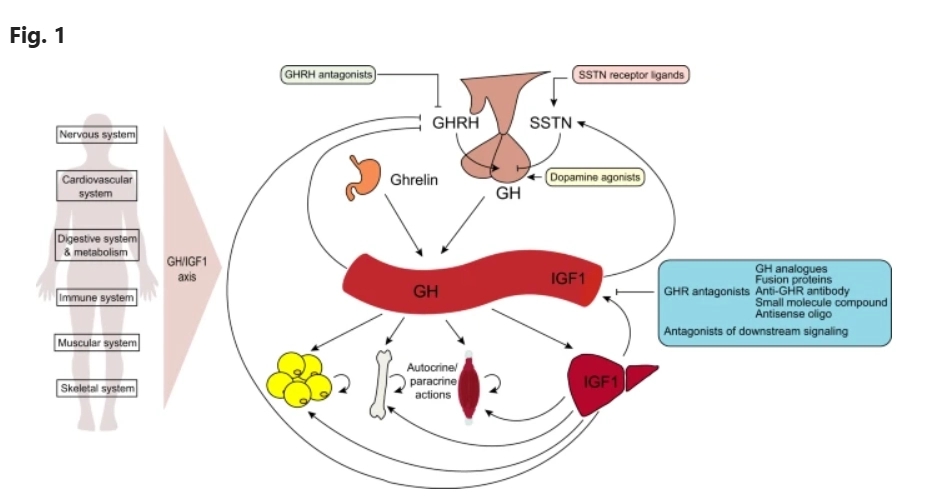
Figure 3 Endocrine regulation of GH and therapeutic blockade.
Metabolic Diseases
Obesity and Diabetes: In the treatment of obesity, although Ghrelin is referred to as the “hunger hormone,” regulating Ghrelin levels or its signaling pathways may improve energy metabolism, reduce appetite, and achieve weight loss. Developing Ghrelin receptor antagonists to block Ghrelin binding to receptors can suppress appetite and reduce food intake. For diabetic patients, Ghrelin may exert beneficial effects on blood glucose levels through mechanisms such as regulating insulin secretion and improving insulin resistance. Exogenous administration of Ghrelin improves blood glucose control and insulin sensitivity in diabetic rats, offering new insights for diabetes treatment.
Metabolic syndrome: Metabolic syndrome is a group of diseases characterized by obesity, hypertension, hyperglycemia, and dyslipidemia. Due to its role in energy metabolism and cardiovascular regulation, ghrelin may become a potential target for treating metabolic syndrome. By regulating ghrelin levels, it may be possible to simultaneously improve multiple metabolic disorder indicators in patients with metabolic syndrome, such as weight loss, blood pressure reduction, and improvements in blood glucose and lipid abnormalities.
Gastrointestinal Diseases:
Functional dyspepsia and gastroparesis: For patients with functional dyspepsia and gastroparesis, ghrelin and its analogues can improve digestive symptoms and accelerate gastric emptying by promoting gastrointestinal motility and increasing gastric acid secretion. The use of ghrelin analogues can effectively alleviate symptoms such as upper abdominal pain and bloating in patients with functional dyspepsia, thereby improving their quality of life.
Gastrointestinal ulcers: Due to Ghrelin's protective effect on gastrointestinal mucosa, it can promote ulcer healing and thus has potential application value in the treatment of gastrointestinal ulcers. Exogenous administration of Ghrelin or its analogues may accelerate the ulcer repair process and reduce ulcer recurrence.
Cardiovascular diseases:
Myocardial ischemia-reperfusion injury: In the treatment of myocardial ischemia-reperfusion injury, Ghrelin, due to its cardioprotective effects, holds promise as a novel therapeutic agent. By administering Ghrelin or its analogues before or during myocardial ischemia-reperfusion, it can reduce myocardial cell damage, minimize infarct size, and improve cardiac function. Animal experiments and clinical trial results have shown promising outcomes, offering new strategies for the treatment of myocardial ischemia-reperfusion injury.
Heart failure: In patients with heart failure, Ghrelin levels are often reduced and correlate with the severity of heart failure. Supplementing with Ghrelin or its analogues may improve cardiac function in heart failure patients by enhancing myocardial contractility, improving cardiac energy metabolism, and inhibiting myocardial cell apoptosis, thereby enhancing patients' quality of life and survival rates.
Neurodegenerative Diseases:
Alzheimer's Disease and Parkinson's Disease: Given Ghrelin's neuroprotective effects, it holds potential application value in the treatment of neurodegenerative diseases such as Alzheimer's disease and Parkinson's disease. By administering Ghrelin or its analogues, it may inhibit neuronal apoptosis, reduce neuroinflammatory responses, and improve patients' cognitive and motor functions.
Stroke and Traumatic Brain Injury: In acute neurological injuries such as stroke and traumatic brain injury, Ghrelin may exert neuroprotective effects through mechanisms including reducing neuronal damage and promoting neural regeneration. Studies have shown that in animal models of stroke or traumatic brain injury, the use of Ghrelin can reduce infarct size or mitigate the extent of brain damage, thereby improving neurological functional outcomes. Ghrelin may serve as an adjunctive therapy for stroke and traumatic brain injury, further enhancing patients' rehabilitation outcomes.
Conclusions
As a multifunctional endogenous peptide, Ghrelin plays a crucial role in various physiological processes, including growth and development, energy metabolism, gastrointestinal function, cardiovascular system homeostasis, and neuroprotection.
Sources
[1] Basuny A, Aboelainin M, Hamed E. Structure and Physiological Functions of Ghrelin[J]. Biomedical Journal of Scientific & Technical Research, 2020,31.DOI:10.26717/BJSTR.2020.31.005080.
[2] Ibrahim A M. Ghrelin - Physiological Functions and Regulation[J]. Eur Endocrinol, 2015,11(2):90-95.DOI:10.17925/EE.2015.11.02.90.
[3] Khatib N, Gaidhane S, Gaidhane A M, et al. Ghrelin: ghrelin as a regulatory Peptide in growth hormone secretion.[J]. Journal of Clinical and Diagnostic Research : Jcdr, 2014,8 8:MC13-MC17. https://api.semanticscholar.org/CorpusID:25154124.
[4] Brahmkhatri V, Prasanna C, Atreya H. Insulin-Like Growth Factor System in Cancer: Novel Targeted Therapies[J]. Biomed Research International, 2014,2015.DOI:10.1155/2015/538019.
[5] Strasser F. Clinical application of ghrelin.[J]. Current Pharmaceutical Design, 2012,18 31:4800-4812. https://api.semanticscholar.org/CorpusID:7696286.