What are you looking for?
Search

GLP-1 Drugs: A New Hope for Obesity Treatment
ALL ARTICLES AND PRODUCT INFORMATION PROVIDED ON THIS WEBSITE ARE SOLELY FOR INFORMATION DISSEMINATION AND EDUCATIONAL PURPOSES.
The products provided on this website are intended exclusively for in vitro research. In vitro research (Latin: *in glass*, meaning in glassware) is conducted outside the human body. These products are not pharmaceuticals, have not been approved by the U.S. Food and Drug Administration (FDA), and must not be used to prevent, treat, or cure any medical condition, disease, or ailment. It is strictly prohibited by law to introduce these products into the human or animal body in any form.
Obesity has become an increasingly serious public health issue worldwide, with numerous adverse effects on people's physical health, such as triggering cardiovascular diseases, diabetes, and other chronic conditions. In recent years, GLP-1 drugs have emerged as a promising treatment option in the field of obesity management.

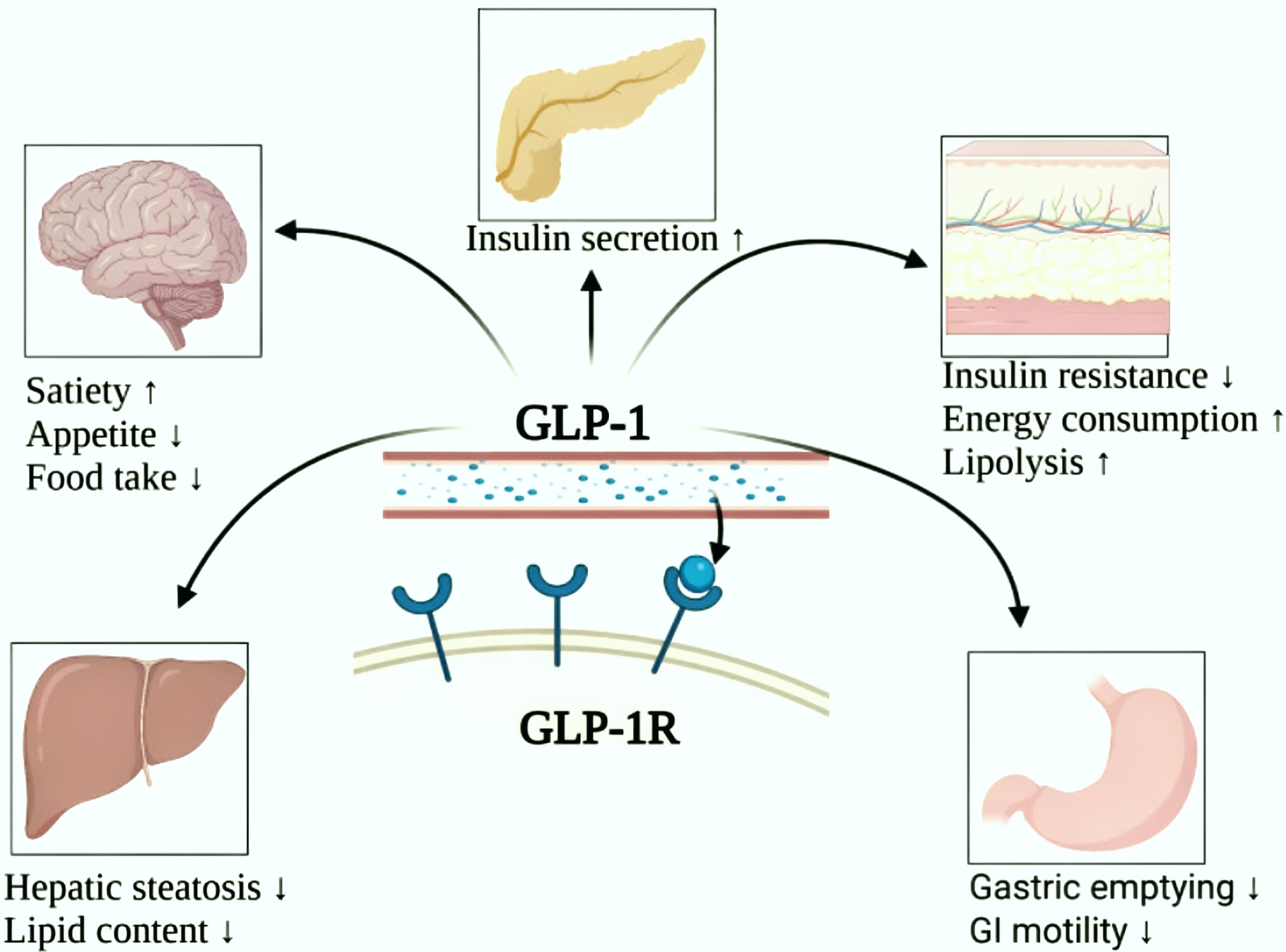
Figure 1 The possible mechanisms of weight loss caused by GLP-1. GI, Gastrointestinal; GLP-1, Glucagon-like peptide-1; GLP-1R, Glucagon-like peptide-1 receptor.
The Mechanism of Action of GLP-1 Drugs in Obesity Treatment
GLP-1 is an endogenous peptide secreted by L cells in the intestinal endocrine system. GLP-1 drugs, also known as GLP-1 receptor agonists (GLP-1 RAs), mimic the physiological effects of GLP-1 by activating the GLP-1 receptor and its downstream signaling pathways, thereby exerting various physiological effects that aid in weight control.
Promoting insulin secretion: GLP-1 RAs stimulate insulin secretion from pancreatic β cells in a glucose-dependent manner. When blood glucose levels rise, GLP-1 RAs bind to GLP-1 receptors on the surface of pancreatic β cells, activating intracellular signaling pathways to promote insulin synthesis and release, thereby lowering blood glucose levels. Stabilizing blood glucose levels helps reduce fat synthesis and storage, preventing appetite increases and weight gain caused by blood glucose fluctuations.
Appetite suppression: GLP-1 RAs act on the central nervous system, particularly brain regions associated with appetite regulation, such as the hypothalamus. By binding to GLP-1 receptors on the surface of hypothalamic neurons, they regulate neuropeptide release, such as reducing the secretion of appetite-stimulating peptides and increasing the expression of appetite-suppressing peptides, thereby inducing a sense of fullness, reducing food intake, and achieving weight control.
Delaying gastric emptying: GLP-1 RAs slow down the rate at which gastric contents enter the small intestine, prolonging the time food remains in the stomach and producing a sustained sense of fullness. This delayed gastric emptying not only reduces meal size but also stabilizes blood glucose levels, preventing postprandial blood glucose spikes and thereby reducing fat accumulation.
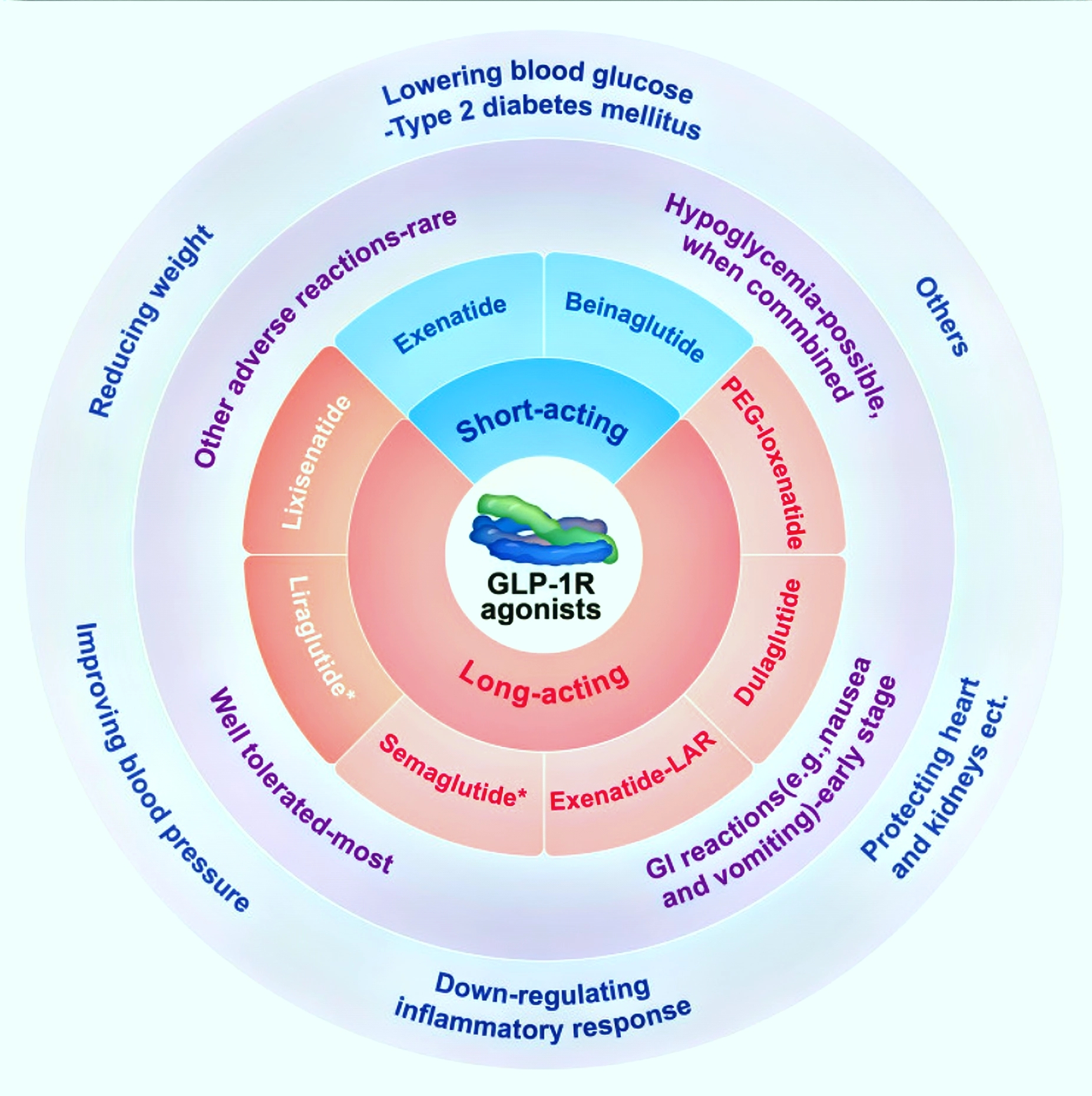
Scheme 1 A schematic overview of GLP-1 receptor agonists: classification, drug safety, and effectiveness. GI, Gastrointestinal; GLP-1R, Glucagon-like peptide-1 receptor; PEG, Polyethylene glycol.
Application of GLP-1 drugs in obesity treatment
Adult obesity treatment: In the treatment of adult obesity, GLP-1 RAs have achieved significant results. The Phase III clinical trial of semaglutide has been completed, with results showing significant weight loss effects. In the STEP 2.4 mg/week semaglutide project, patients experienced significant weight loss, further confirming the efficacy of GLP-1 RAs in the treatment of adult obesity. These drugs are typically used as part of a comprehensive weight loss program, combined with dietary control and moderate exercise, to achieve better weight loss outcomes.
Childhood obesity treatment: Recent studies have shown that GLP-1 drugs such as exenatide, semaglutide, and liraglutide have been used to treat childhood obesity-related conditions, such as severe obesity, obesity associated with polycystic ovary syndrome (PCOS), and hypothalamic obesity. For example, studies have found that these drugs have a certain effect in controlling weight gain in children, helping to improve metabolic parameters, and providing new options for the treatment of childhood obesity.
Obesity treatment for special populations - PCOS patients: Polycystic ovary syndrome (PCOS) is a common endocrine disorder among reproductive-age women, and obesity is prevalent among PCOS patients. GLP-1 RAs have unique advantages in treating obesity in PCOS patients. Studies have shown that GLP-1 therapy not only reduces weight in PCOS patients but also improves insulin resistance, lowers hyperandrogenism, and even increases the chances of natural conception and in vitro fertilization. This makes GLP-1 RAs a highly promising treatment option for obese PCOS patients, offering new avenues for improving their health and fertility.
Conclusion
In summary, GLP-1 drugs, as an emerging force in the field of obesity treatment, demonstrate promising application prospects in the treatment of obesity in adults, children, and special populations (such as PCOS patients) due to their unique mechanism of action. Through multiple pathways, including promoting insulin secretion, suppressing appetite, and delaying gastric emptying, GLP-1 RAs effectively help patients reduce weight and improve metabolic status.
In adult obesity treatment, drugs such as liraglutide and semaglutide have been validated through clinical trials, providing reliable treatment options for obese patients. In the treatment of obesity in PCOS patients, GLP-1 RAs not only help reduce weight but also positively improve the endocrine disorders associated with the condition, offering multiple benefits for PCOS patients.
Sources
[1] Zhang D, Lu H. GLP-1RA: New Hope in Obesity Therapy[J]. Journal of Biosciences and Medicines, 2025,13(2):465-479. https://cstj.cqvip.com/Qikan/Article/Detail?id=HS727602025002035
[2] Kavarian P N, Mosher T L, Haija M A E. Use of glucagon-like-peptide 1 receptor agonist in the treatment of childhood obesity.[J]. Current Opinion in Pediatrics, 2024,36 5:542-546. https://api.semanticscholar.org/CorpusID:272115519
[3] Wang J Y, Wang Q W, Yang X Y, et al. GLP-1 receptor agonists for the treatment of obesity: Role as a promising approach[J]. Frontiers in Endocrinology, 2023,14:1085799.DOI:10.3389/fendo.2023.1085799.
[4] Pedrosa M R, Franco D R, Gieremek H W, et al. GLP-1 Agonist to Treat Obesity and Prevent Cardiovascular Disease: What Have We Achieved so Far?[J]. Current Atherosclerosis Reports, 2022,24(11):867-884.DOI:10.1007/s11883-022-01062-2.
[5] Baranowska-Bik A. Therapy of obesity in women with PCOS using GLP-1 analogues - benefits and limitations [Terapia otyłości u kobiet z PCOS przy zastosowaniu analogów GLP-1 - korzyści i ograniczenia][J]. Endokrynologia Polska, 2022,73(3):627-643.DOI:10.5603/EP.a2022.0047.