What are you looking for?
Search

Chonluten: A Repair Peptide
ALL ARTICLES AND PRODUCT INFORMATION PROVIDED ON THIS WEBSITE ARE SOLELY FOR INFORMATION DISSEMINATION AND EDUCATIONAL PURPOSES.
The products provided on this website are intended exclusively for in vitro research. In vitro research (Latin: *in glass*, meaning in glassware) is conducted outside the human body. These products are not pharmaceuticals, have not been approved by the U.S. Food and Drug Administration (FDA), and must not be used to prevent, treat, or cure any medical condition, disease, or ailment. It is strictly prohibited by law to introduce these products into the human or animal body in any form.
Repair peptides have demonstrated significant potential in the field of tissue repair and regeneration. As a repair peptide, Chonluten plays a role in regulating cellular activity and promoting tissue repair.

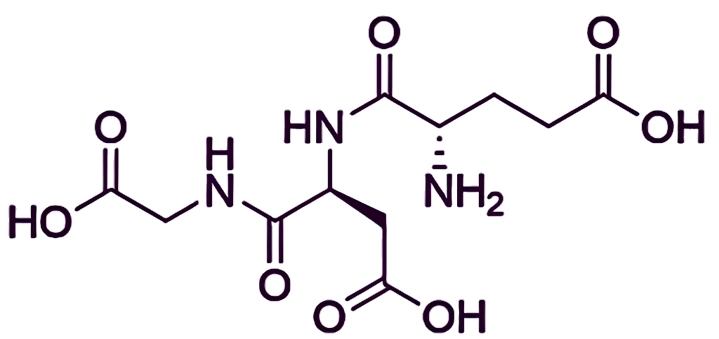
Figure 1 The chemical structure of Chonluten.
The Role of Chonluten in Cell Proliferation and Inflammation Regulation
Cell Proliferation Regulation: Chonluten and a series of peptides identified by Professor Khavinson since 1973 can regulate key proliferation patterns by increasing tyrosine phosphorylation of mitogen-activated protein kinases in the cytoplasm. Chonluten can influence the cell proliferation process, promoting cell division and growth, thereby providing the necessary cellular foundation for tissue repair. For example, during wound healing, cell proliferation is a crucial step in new tissue formation. Chonluten promotes this process by regulating the activity of related kinases.
Inflammation Regulation: Chonluten demonstrates notable efficacy in inflammation regulation. Derived from bronchial epithelial cells, it inhibits the production of tumor necrosis factor (TNF) by monocytes exposed to pro-inflammatory bacterial lipopolysaccharide (LPS) in vitro. Monocytes play a crucial role in inflammatory responses; when stimulated by LPS, they release pro-inflammatory cytokines such as TNF to initiate inflammation. Chonluten reduces the intensity of inflammatory responses by inhibiting TNF production. All tested peptides can inhibit the expression of TNF and pro-inflammatory interleukin-6 (IL-6) cytokines in LPS-stimulated terminally differentiated THP-1 cells, further indicating Chonluten's positive role in regulating the inflammatory microenvironment. In inflammatory responses triggered by inflammatory diseases or tissue damage, Chonluten can mitigate further tissue damage caused by inflammation through this mechanism, creating a favorable environment for tissue repair.
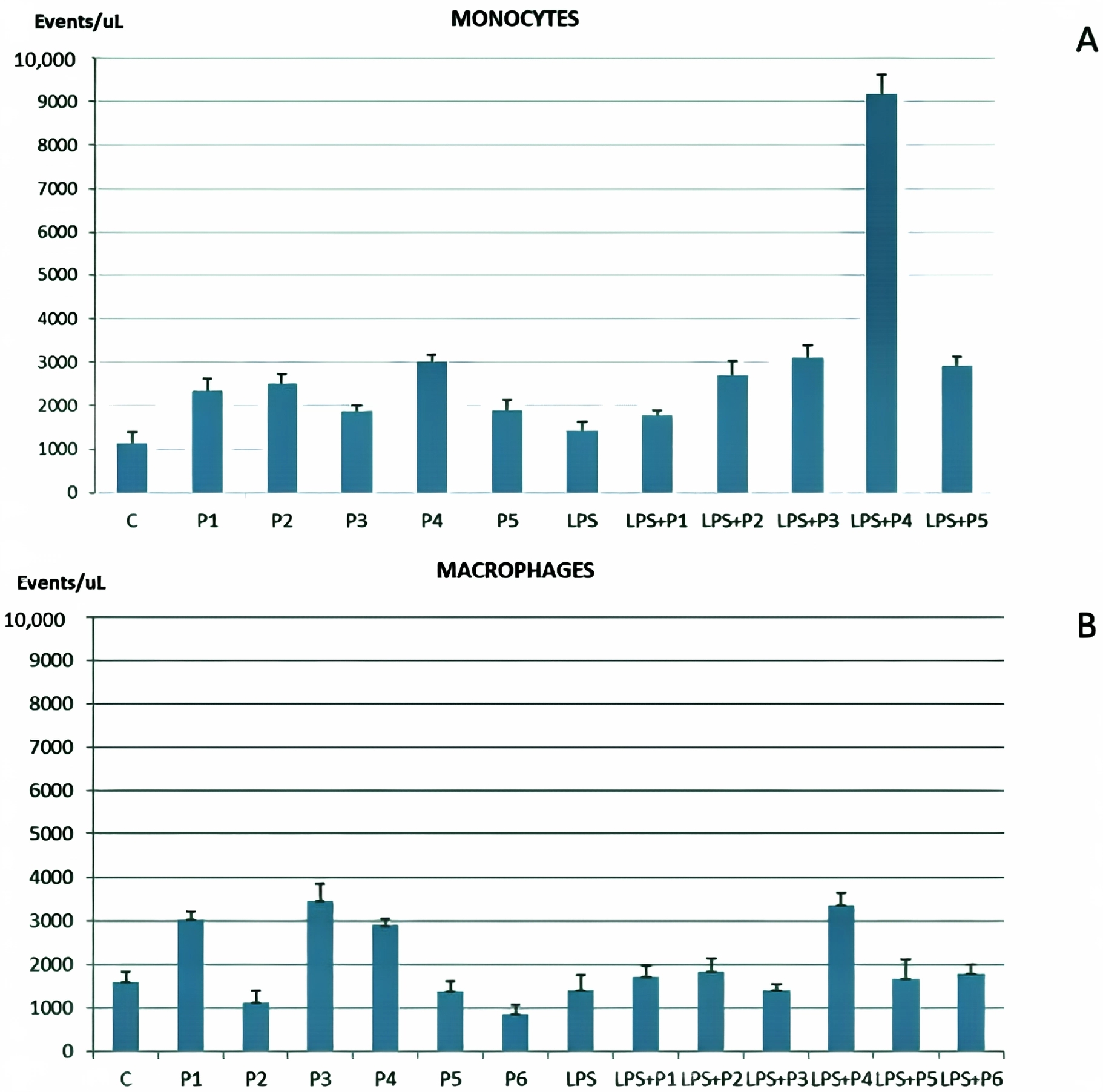
Figure 2 Extracellular vesicle count through cytofluorimetric analysis on monocytes (A) and macrophages (B).
Applications of Chonluten in Different Tissue Repairs
Skin Tissue Repair: In the field of skin wound repair, Chonluten's anti-inflammatory and cell proliferation-promoting properties are of significant importance. As the largest organ in the human body, the skin is susceptible to various injuries, such as burns and cuts. Inflammatory responses are rapidly activated after skin trauma, and excessive inflammation can delay wound healing and even lead to scar formation. Chonluten can inhibit the release of inflammatory factors, reduce inflammatory responses, and simultaneously promote skin cell proliferation, thereby accelerating wound healing. Compared to traditional wound dressings, novel dressings containing Chonluten can better regulate the wound microenvironment, promote skin tissue regeneration and repair, potentially reduce scar formation, and improve the quality of skin repair.
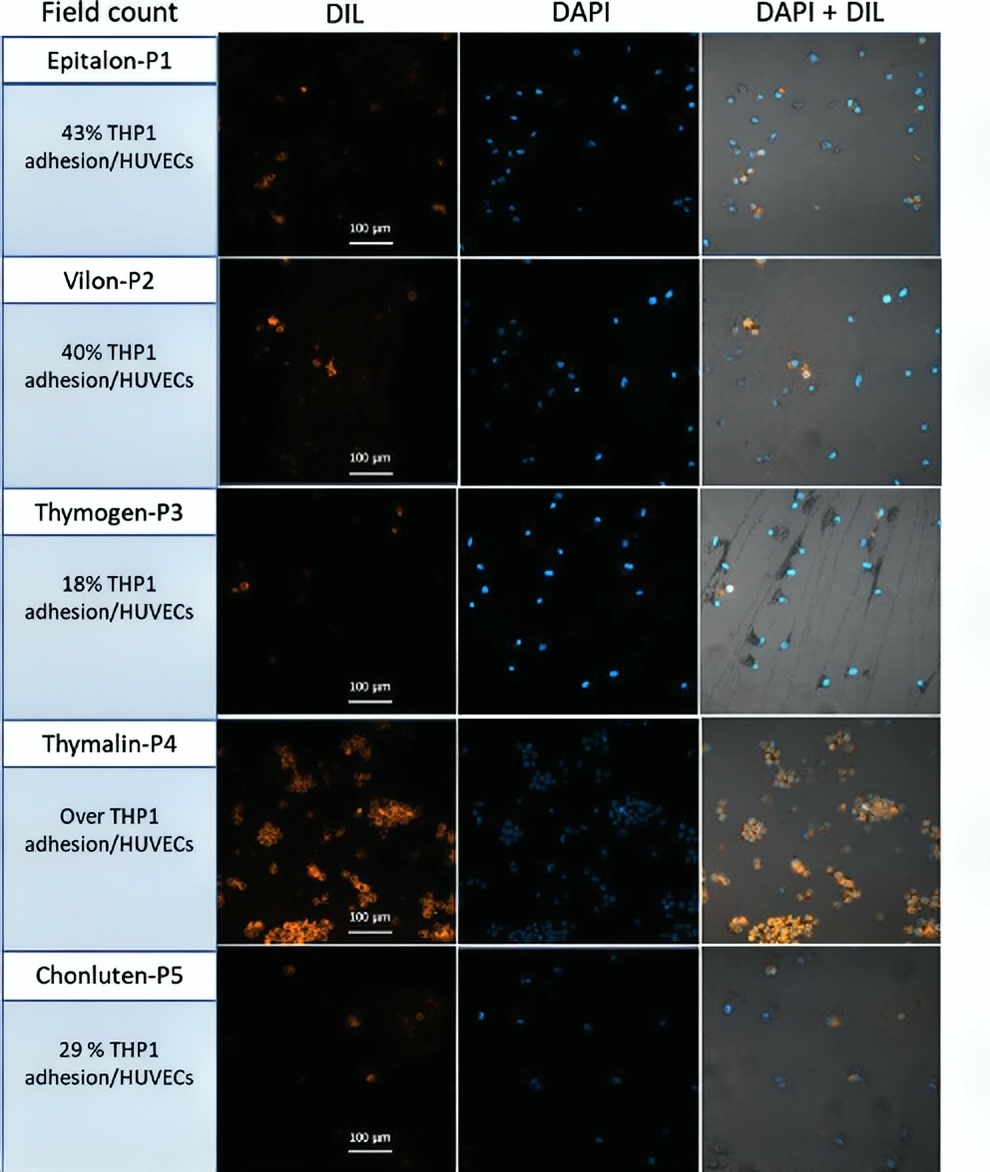
Figure 3 Cell–Cell Adhesion Assay: Confocal microscopy quantification and ICAM-1 Western Blot analysis.
Cartilage tissue repair: In terms of cartilage tissue repair, although current research has not directly addressed the application of Chonluten in cartilage repair, similar repair peptides have demonstrated promising results. Synthetic peptide B2A can induce stem cells to differentiate into chondrocytes and enhance the repair of damaged cartilage in rats. Chonluten, with its ability to regulate cell proliferation and inflammation, theoretically could also contribute to cartilage repair. Following cartilage injury, local inflammation occurs, and Chonluten can suppress inflammation, reducing its damage to chondrocytes. Its promotion of cell proliferation may facilitate chondrocyte proliferation and differentiation, promote the synthesis of cartilage matrix, and thereby achieve cartilage tissue repair.
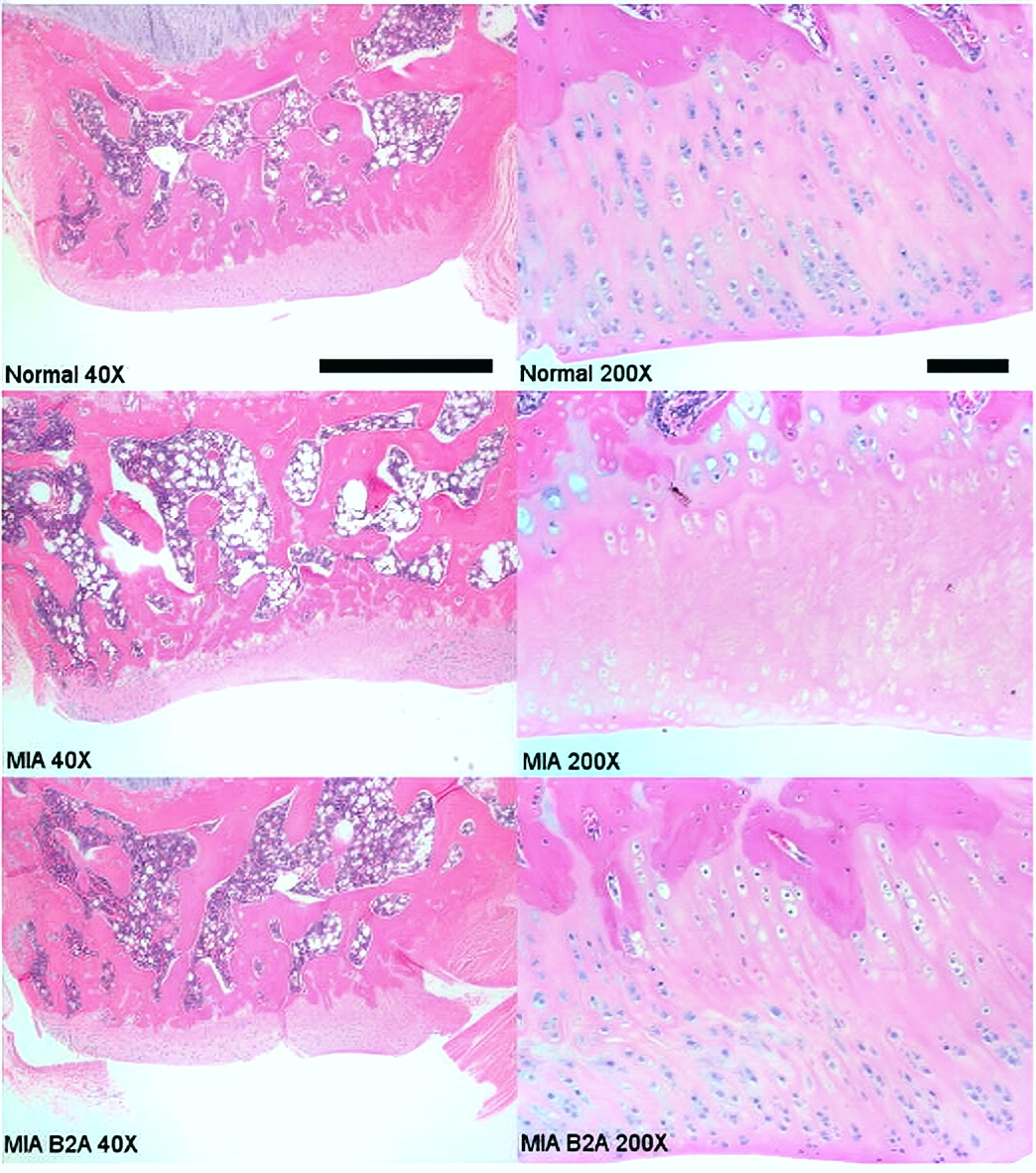
Figure 4 Effect of B2A on MIA-induced osteoarthritis in the knee joint of rats.
Bone tissue repair: In the field of bone tissue repair, current research primarily focuses on other types of repair peptides and biomaterials. The use of a synthetic PCL scaffold coated with collagen-mimicking peptides GFOGER promotes bone formation in rat critical-size segmental bone defects; parathyroid hormone derivatives PTHrP-1 anchored to RADA16-I-formed self-assembled peptides P1R16 exhibit functions such as promoting stem cell proliferation, directed differentiation, bone remodeling, and vascularization, showing great potential for bone tissue engineering in repairing bone defects or fractures. Chonluten's anti-inflammatory and cell proliferation-promoting effects mitigate inflammatory damage to bone tissue in the early stages of bone repair, promote osteoblast proliferation, and lay the foundation for bone tissue regeneration.
Conclusion
In summary, Chonluten, as a repair peptide, exhibits significant effects in regulating cell proliferation and inflammation. Its mechanism of action and research findings on other similar repair peptides hold application value in the field of tissue repair, including skin, cartilage, and bone.
References
[1] Avolio F, Martinotti S, Khavinson V K, et al. Peptides Regulating Proliferative Activity and Inflammatory Pathways in the Monocyte/Macrophage THP-1 Cell Line[J]. International Journal of Molecular Sciences, 2022,23(7).DOI:10.3390/ijms23073607.
[2] Lin X, Shanmugasundaram S, Liu Y, et al. B2A peptide induces chondrogenic differentiation in vitro and enhances cartilage repair in rats[J]. Journal of Orthopaedic Research, 2012,30(8):1221-1228.DOI:10.1002/jor.22078.
[3] Wojtowicz A M, Shekaran A, Oest M E, et al. Coating of biomaterial scaffolds with the collagen-mimetic peptide GFOGER for bone defect repair[J]. Biomaterials, 2010,31(9):2574-2582.DOI:10.1016/j.biomaterials.2009.12.008.
Product available for research use only: